 43
43

Passing on garden cleanup means winter food, shelter for wildlife
By Sara Scudier
OSU Ext. master gardener volunteer
CANFIELD
Anyone who visits my garden in late fall, probably thinks I am not a very good gardener and seriously lazy. There are lots of perennials that are finished blooming but are still standing. And they look a little scraggly.
Leaves are off the lawn but there are still lots left around the yard.
If you come back in early spring, it will look much neater.
I quit “cleaning” up my yard years ago. The vegetable garden gets cleared and hopefully I get a cover crop on before it freezes.
Everything else gets assessed for disease and damage, and if I find any, it gets removed. Otherwise, it becomes food and shelter for wildlife.
Birds will eat the seed heads of the flowers of perennials you leave standing. Even if you put out seed, they will have a food source when you go away for several weeks and don’t fill the feeders (think snow birds).
The plants you leave standing give structure to your garden. Frost on the standing plants in the early morning is stunning. After a snowfall, your yard is transformed into a wonderland with lots of fanciful shapes. A great opportunity for a Kodak moment in the winter time.
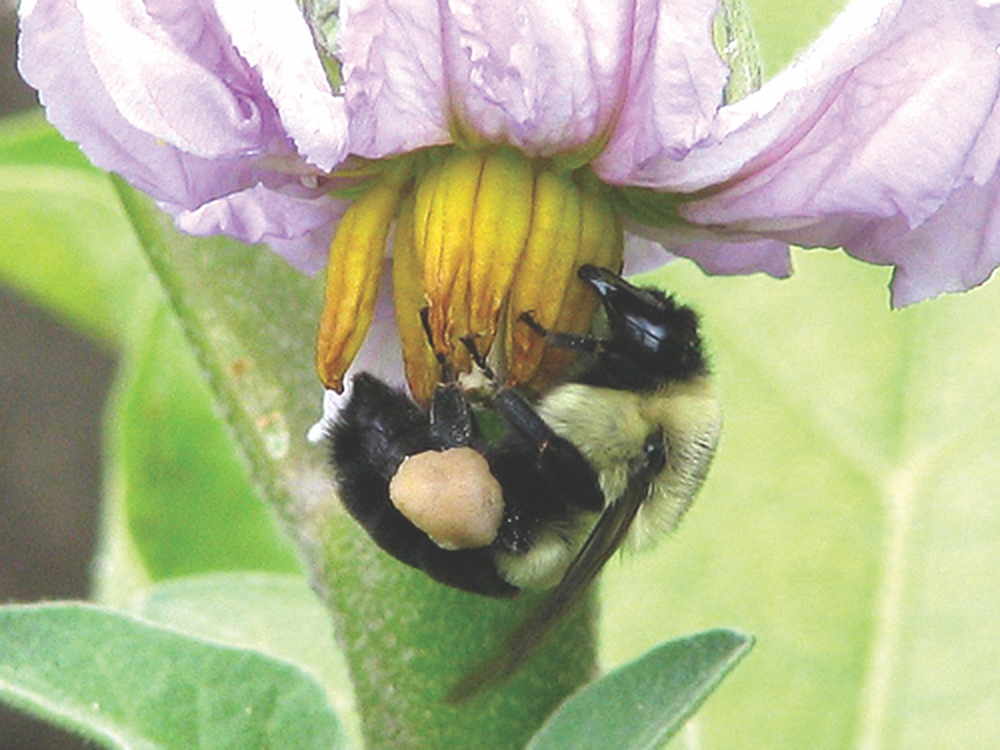
Perhaps the most important reason not to cut everything down are the valuable insects you will have next summer. If you cut the stalks too early, or clear away all the leaf litter, you will kill many of the bees that pollinated your plants last summer.
The bumble bees that work so hard to give you tomatoes and peppers need that leaf litter because they overwinter as adults.
The plants and litter provide safe cover for insects that undergo diapause, which is similar to hibernation in mammals, and for the cocoons and chrysalis that will produce next summer’s insects.
One of the benefits I get from gardening this way is that when it starts to warm up, I have a reason to spend hours in the garden.
I see lots of new bumblebee queens searching for a nest. I have lots of birds stopping to eat some of the insects I helped over-winter.
I highly encourage you to try it this year and see how much more wildlife you attract.