 43
43

Planning, oversight woes led to Niles' costly tech failures
Last of a two-day series
By JORDAN COHEN
NILES
Problems with planning, expertise and control of information-technology expenses led to Niles’ losing an estimated $3 million, a Vindicator investigation reveals – losses still felt years later as the city seeks to get out from under state-declared fiscal emergency.
In 2011, Niles, which provides water, light and sewer services for 22,000 residential and commercial accounts, signed an agreement to lease utility billing software for $7,500 per month for eventual purchase from a Canadian company.
The city expected the software to integrate accounts payable, utility billing and auditing, but from the moment it went online, all three could not be integrated. Software performance was described as “extremely labor-intensive” and “hit and miss” by former Auditor Charles Nader.
By 2013, the city already had spent $225,000 in lease payments to the company, and, dissatisfied, it stopped payments. In 2014, it purchased new billing software from Continental Utility Solutions of Arkansas for $300,000.
Recently, Service Director Ed Stredney reported a discovery that the Canada company’s software never carried over a $25 flat-fee sewer charge for 100 homes in Weathersfield Township. As The Vindicator reported in September, Niles lost more than $167,000 as a result.
Stredney said the oversight was discovered by a billing department employee.
Some billing problems continue beyond software issues. In September, city council President Robert Marino accused the city’s billing office of failing to ensure the accuracy of all invoiced accounts and publicly referred to operations there as “a comedy of errors.”
Marino announced he has referred his complaints to the state auditor.
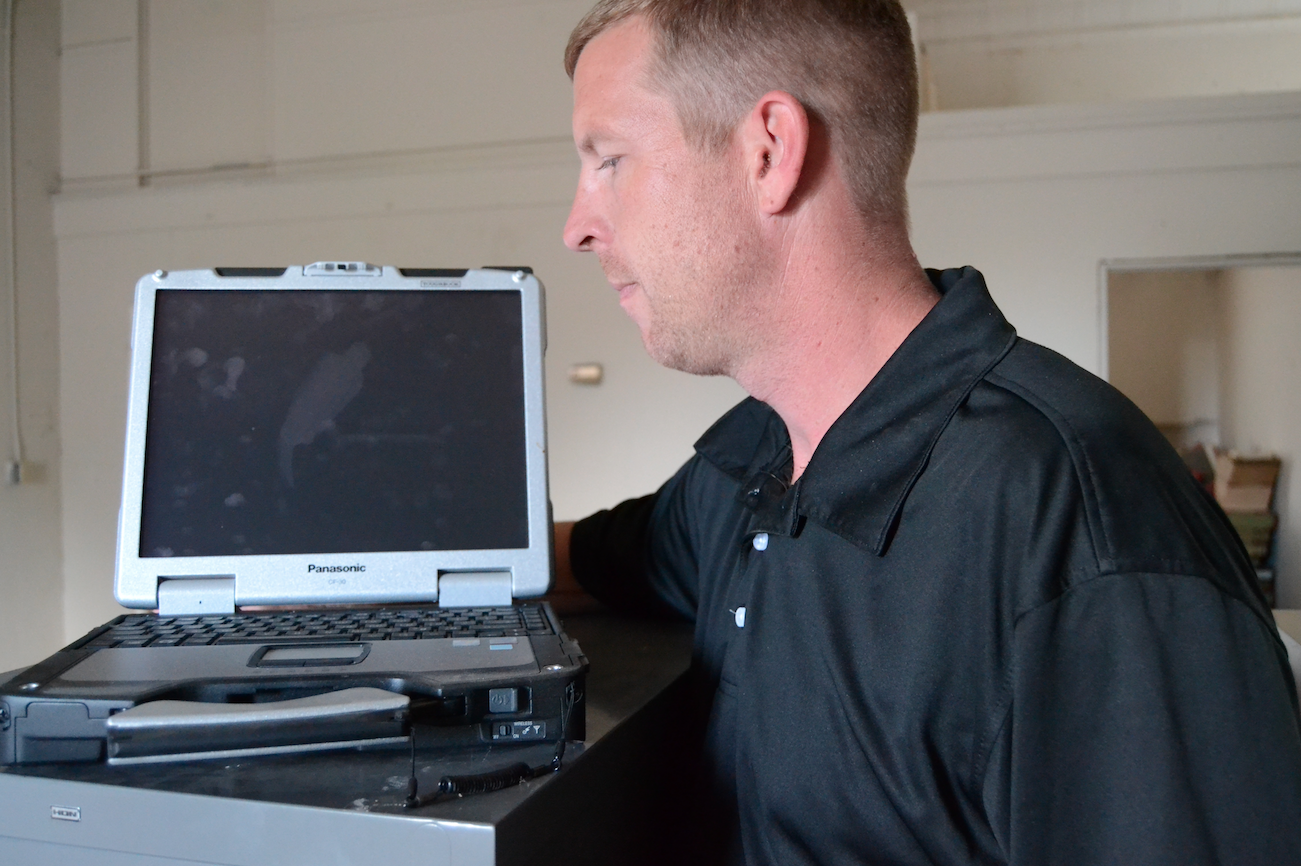
In April 2008, the city purchased 45 Panasonic Toughbook 30 “Ruggedized Notebooks” for $250,000, or approximately $5,555 per laptop. The computers bought through state-approved vendor CDW-G were to be installed in police cruisers to help patrolmen quickly access records from the state’s database and improve communications throughout the department.
Laptop connectivity was dependent upon the never-completed citywide Wi-Fi system, and officers eventually were given air cards to create mobile “hot spots” for connectivity.
Capt. John Marshall said there was nothing wrong with the laptops but claims the city spent too much on them. The reason: the technology was becoming outmoded.
“Less than a year after we got them ... I discovered other agencies were selling the same model on auction sites at practically fire-sale prices,” Marshall said. The administration “didn’t research it right and should have known these models were on their way out.”
Marshall said the city eventually sold many of the laptops.
The city has solved its connectivity problems for its electronic water meters, which were purchased for $1.5 million from Neptune Technology Group, Tallassee, Ala., under the assumption that the ill-fated citywide Wi-Fi would provide their internet connection.
Instead, three collectors have been situated throughout the city and will access meter data through embedded air cards, according to Mike Dibble, information technology director.
That’s a solution that really can’t be deployed yet, however.
For more than two years, more than 6,000 residential meters have been stored in the empty swimming pool at Waddell Park because the city, in the throes of fiscal emergency, lacked the funds to install them. As the water fund began to emerge from its deficit, council was able to approve legislation for installation last May.
During September’s Financial Planning and Supervision Commission meeting, fiscal supervisors announced the water department deficit has been eliminated.
Stredney said the number of bids for the project has been narrowed to two companies. One of them, discussed before a recent council meeting, contained a charge to the city of $482,500, or $75 per meter, to install the devices over a two year period. A decision on the low bid is pending.
Mayor Thomas Scarnecchia, now in the second year of his term, vows to keep future matters transparent through an “open administration.”
“Everything is discussed by everybody who should be involved,” he said. “You bring everything to council and it makes a big difference.”