 43
43

Sowing seeds of knowledge
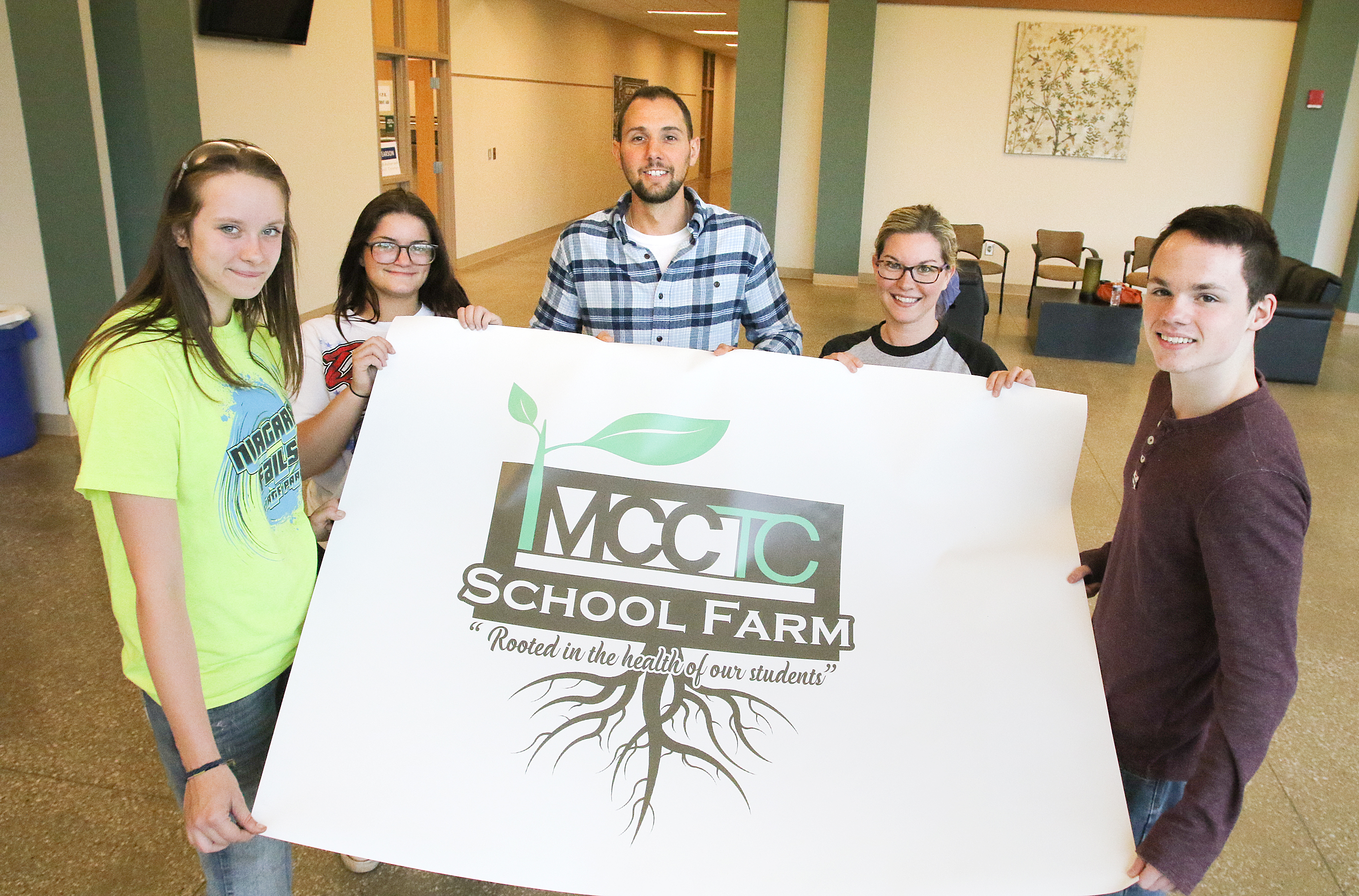
MCTCC students learn about nutritional value and America’s
By Justin Wier
CANFIELD
After a teacher raised questions about the nutritional value of the food in schools, some enterprising students at the Mahoning County Career and Technical Center decided to grow their own.
Students recently planted the first seeds for a garden they hope will bloom into a school farm, but the idea initially was planted in Anthony Cycyk’s English class.
“Our eyes weren’t really opened to how unhealthy food culture is in America until our eyes were widened by Cycyk,” said Bryce Richendollar, a junior at MCCTC.
They were researching aspects of American food culture, and Cycyk said most of them ended up being negative.
“[The students] kind of developed this idea of ‘Let’s start a little garden,’ and then it became ‘Let’s start a little farm,’ and that’s where we’re at,” Cycyk said.
The farm, which recently was approved by the school board, will allow students to grow healthy food that can be used in the school cafeteria and given to students in need.
Students and teachers plan to roll the project out in three phases. This year, they’re testing crops to see what works best with the soil, among other factors.
“Our biggest problem is going to be deer,” said social-studies teacher Anina Karlovic. “We need to figure out what we can grow that the deer are not going to decimate.”
Next year, the students plan to make the food available to students in the cafeteria and a food pantry, Karlovic said that’s a major focus. “We have such a high population of students in need and they go to the pantry, and their options are boxes and cans,” she said. “We wanted to be able to put some fresh-food options in there as well to promote a little bit healthier eating.”
In year three, the plan is to spur more community involvement. People who can’t plant gardens at home would be able to use a plot at the facility allotted for community gardens.
The students plan to grow organic foods, using as few pesticides and chemicals as possible. Other MCCTC juniors are excited by the project, which will offer educational opportunities for students in horticulture, biotechnology, construction and culinary arts.
“It’s a great opportunity for everyone to get together and have a good time and promote healthier food choices,” said Alyssa Brenner.
“Especially at schools,” added Chyanne Pazel. “That’s what we want to do instead of using processed food that you don’t even know what’s inside of it.”
They will start small, planting an area of about 900 square feet, but they have been allotted two acres with the potential to expand even further. Karlovic said if everything works out, the farm could include a barn and a tractor. Among the grants she and Cycyk are pursuing is one that would provide them with a mini-orchard. Cycyk said they are open to talking with groups and organizations interested in supporting the farm.
“We want it to be an education destination,” Karlovic said. “Not just for our students, but for students all over the area.”