 43
43

YSU survey takes senior administrators to task
YSU Academic Senate meeting on campus climate
 Video
Video
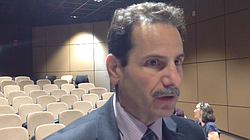
Members of the YSU Academic Senate met to discuss the recent campus climate study.
YOUNGSTOWN
Youngstown State University’s full-time staff and faculty like their relationship with their supervisors and department chairpersons but say senior leadership, such as the president, provost and board of trustees, do not value, respect or trust faculty, staff or students.
The opinions and feelings were revealed in a “campus climate survey” conducted last spring and discussed and explained Wednesday at a meeting of the YSU Academic Senate meeting chaired by Dr. Chester R. Cooper Jr., department of biological sciences. About 130 attended.
Data concerning the likes and dislikes about YSU as a place to work is contained in the Chronicle of Higher Education’s “Great Colleges to Work For” Campus Climate Survey, conducted March 16-April 15. It reflects “significant challenges to the quality of the workplace experience,” according to a presentation on the survey by Hillary Fuhrman, YSU’s director of assessment.
The results of the survey, done in preparation for a visit to YSU in 2018 by the Higher Learning Commission, which accredits degree-granting post-secondary educational institutions in the North Central region of the United States.
A second campus climate study will be conducted in 2017, said Dr. Martin A. Abraham, university provost and vice president for academic affairs.
In a letter about the campus climate study sent Wednesday to YSU employees , YSU President Jim Tressel said “the survey results reveal several strengths, including good marks for supervisors and department chairs, job satisfaction, campus pride and professional development.”
However, Fuhrman said, the survey notes that all of these positive categories as a whole fall in the “fair to mediocre” level. YSU’s positive response percentage is 10 to 20 points lower than the average of other peer colleges.
Tressel also said the survey “points to many areas of concern, including senior leadership, faculty-staff-administration relations, shared governance and collaboration.”
“The first step in any improvement process, and one of the main purposes of this survey, is to gather information to better identify and define areas of strength and areas for improvement,” Tressel said.
“We accept that senior leadership is a major part of the problem. My goal is to show improvement at next spring’s campus climate survey,” said Provost Abraham.
After Fuhrman’s presentation was an observation by Dr. Adam Earnheardt, chairman and associate professor in the Department of Communication Education: “The thing that resonated throughout the survey is the lack of communications. We need an external body to study communications within the university and improve them.”
In his letter to the YSU staff and faculty, Tressel said just as the results of the survey were shared Wednesday with deans and the Academic Senate, they will be reviewed next week for department chairs and the university’s Labor Management Council. Also, he said, a series of open forums will take place later in the month to discuss the survey results and seek input from everyone on campus “about what we all can do to improve our workplace experience.”
“Senior leadership is not going to tell the staff and faculty what to do. They need to tell us what needs to be done,” Abraham said.
“We need people to speak up. We need more open, transparent conversation,” said Cooper.