 43
43

Water, landing spots, plant variety as important as location for ... Butterfly GARDENS
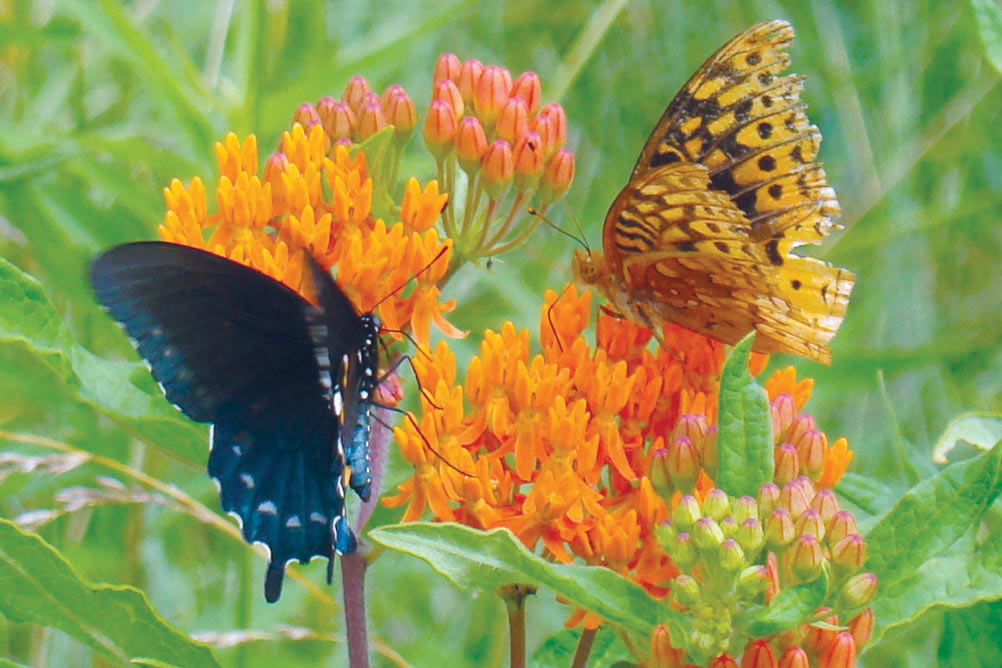
By Pam Baytos
OSU Extension master gardener volunteer
Butterflies are one of the most-loved insects mainly for their beauty and grace.
They are sometimes confused with moths.
Butterflies and moths belong to the insect order, Lepidaptera, and generally butterflies are brightly colored and fly by day and moths are more likely to be colored in muted grays and browns and fly at night.
However, sometimes they are difficult to separate from one another.
Butterflies begin their life as an egg that is laid on or near its particular host plant species.
A host plant species is the species of plant that the butterfly larva (caterpillar) feeds on before it becomes a butterfly.
Each species of butterfly has specific host plants. An example is the monarch butterfly larva, which eats only milkweed and some other plants in the dogbane family.
Your garden should contain both host and nectar plants. Nectar plants provide a rich source of food for adult butterflies.
When planning for your butterfly garden, it’s important to pick the proper location and provide a few basics. These include:
Sunlight: 5-6 hours. Locating your plants in an area that receives the most sun will assure your butterflies and plants will thrive.
Protection from wind: This allows smooth movements for travel from plant to plant.
Landing spots: Items like rocks or pebbles are used by butterflies to bask in the sun to warm their bodies and dry their wings.
Access to water: To create a manmade puddle just fill a saucer with pebbles and place in a shady area so the water won’t evaporate. Fill the saucer with water but keep the pebble surface dry. This will allow butterflies to sit on the dry surface while drinking. A bright flower placed on the edge of the water saucer will serve as an invitation.
Lots of and a variety of plants: Butterflies will be more likely to visit your garden if there are other nectar or larval plants nearby.
The right plants: Create groupings that vary in color, height and bloom time. You should plant three to five plants of each species. A few key plants include common milkweed, swamp milkweed, nasturtium, fennel, dill and parsley. Other popular plants are butterfly bush, purple cone flower, black-eyed susan, joe pye weed, bee balm and lilac.
For a complete plant list, visit go.osu.edu/attractbutterflies.