 43
43

Rain is good because it rinses off the plant leaves FERTILIZING VEGETABLES
By BARB DELISIO
OSU Master Gardener Volunteer
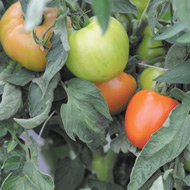
The tomato plants are in the ground and growing like weeds because of all this rain. Some later planted transplants are having a challenge if your soil is not well-drained.
Rain is good because it rinses off the leaves of the plant, waters the roots with the best water available, and during lightning storms, nitrogen is released into the air and is absorbed into the soil.
Too much rain is bad because the weeds around the tomatoes are growing as much as the plants.
Keeping ahead of the weeding is necessary because weeds take the nutrients out of the soil for their own use, leaving less for the tomatoes or any other vegetable plants to use.
If your tomato leaves are turning yellow, it is a good sign that they are lacking nitrogen.
Hopefully, when you put your tomato plants into the ground, you gave them a side dressing of complete fertilizer such as 6-24-24 or 6-12-18, high in phosphorus, to feed the roots which will help establish a strong healthy plant.
Once the first cluster of flowers has set fruit, it is time to apply a side dressing of a nitrogen fertilizer.
Too much nitrogen before this setting of fruit will delay maturity and reduce flowering and yield.
A high-nitrogen fertilizer should be applied 2 to 4 inches on either side of the tomato plant. This fertilizer should be left on the soil surface rather than being dug in.
You must be careful not to let the roots of your plants come in direct contact with the undiluted fertilizer because there’s a chance it will burn the roots.
For an organic source of nitrogen, one option is blood meal that provides about 12 percent nitrogen in a fairly quickly available form for side dressing.
Always remember to water well directly after applying fertilizer side-dressings to plants.
This high nitrogen –15-0-0 – fertilizer needs to be repeated monthly the first of July, the first of August, and the first of September or one or two weeks before the first tomato ripens, two weeks after picking the first ripe tomato and then follow the one-month rule.
Applying a water-soluble liquid fertilizer once a month after the first fruit sets is also acceptable. Again, don’t fertilize until those first flowers set fruit or you’ll have all green leaves and stems and few or no tomatoes.
Following this simple outline will give you a garden of healthy tomato plants and a bountiful crop of tomatoes.
So far, I’ve picked two yellow and two red cherry tomatoes for my salad. I have many little green ones and tons of flowers, so I know I’ll have a continuous supply of fresh tomatoes all summer long.
Fertilization details are listed on our factsheet at: http://go.osu.edu/tomatotips.