 43
43

Jewels of exotic flower world easier to grow than you think ORCHIDS
 Photo
Photo
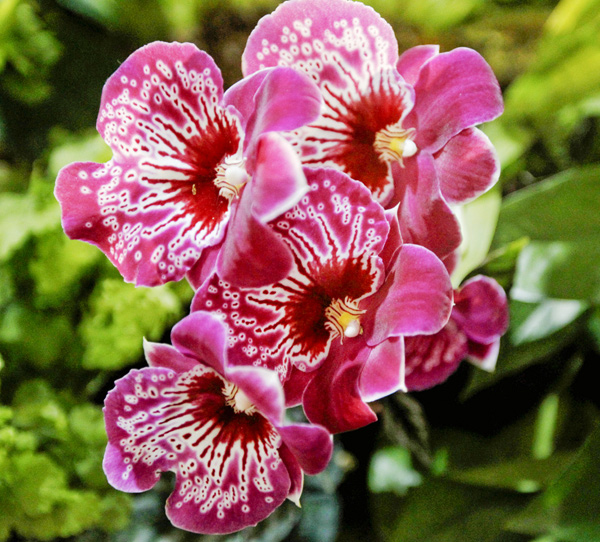
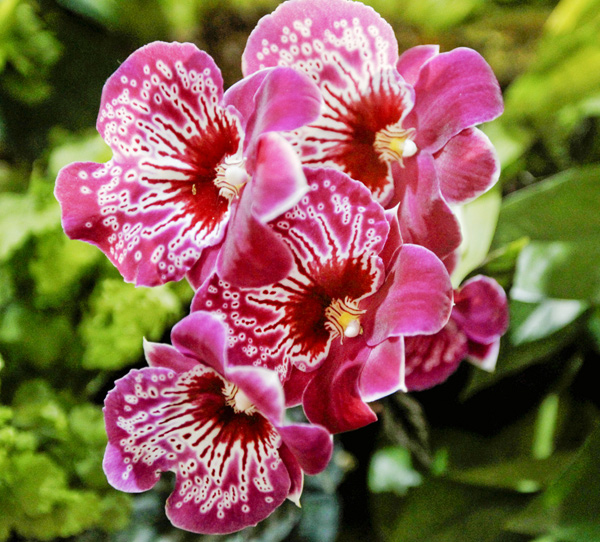
Orchids on exhibit in the 2012 Philadelphia International Flower Show "Hawaii: Islands of Aloha," in Philadelphia.
By Pam Baytos
OSU Extension master gardener volunteer
The two favorite species of home growers are:
Phalaenopsis, also called moth orchid. These plants have round flowers with a pronounced lip that grow on a single, tall stalk arising from a whorl of fleshy oval leaves. The flowers are usually white, purple, pink or some combination.
Dendrobium, sometimes called cane orchids. They have smaller flowers that grow in rows on stalks that arise from thick canes, oftentimes with several flower clusters per plant. The flowers are typically white or purple with narrow leaves emerging from sides of canes.
Knowing the name of your orchid will help you care for the plant.
When you get your first orchid, it likely will be in bloom. To prolong bloom, follow the directions on the tag — it’s there for a reason (and that reason is not to be cut off and thrown away immediately).
Most “gift orchids” are potted in the wrong conditions for long-term growth. They are potted in plastic and packed with moss or bark around the roots. In nature, orchids grow on tree limbs, and their roots are water-gathering organs that need fresh airflow. Orchids with wet roots are susceptible to root-rot diseases.
Although change is necessary, you never want to repot a blooming orchid. It’s too stressful on the plant and can cause it to drop its blooms. If the plastic pot has a second pot, take the outer pot away and use a drainage saucer for watering times.
Instead of repotting, it’s better to watch your watering. Most people who are new to orchids think they need loads of water, but that’s not true. Your orchid actually needs very little water, so every time you think it’s time to water, wait a few days. This is why the “just add ice” brand of orchid works for many people. For orchids arriving with a growing medium of large bark pieces and in small or clay pots, frequent water may be necessary. Allow the water to flow out of the bottom of the pot to be sure you’ve given enough. If all else fails, be sure to keep from having the roots sit in water.
Do not place orchids in drafty areas, in direct sunlight or near heating vents. Your blooms will last longer if you provide a mild, warm and somewhat humid environment. A happy orchid can bloom a few weeks longer than an unhappy one.
When the bloom is over, it’s time to snap off old flower spikes near the base, although some people leave the spikes on to try for another bloom. Depending on the season, you can repot into a friendlier container with the right growing medium (such as a bark product).
To read more about orchids, go to: http://go.osu.edu/orchid.