 43
43

Flu-like illnesses hit Mahoning Valley hard
 Photo
Photo
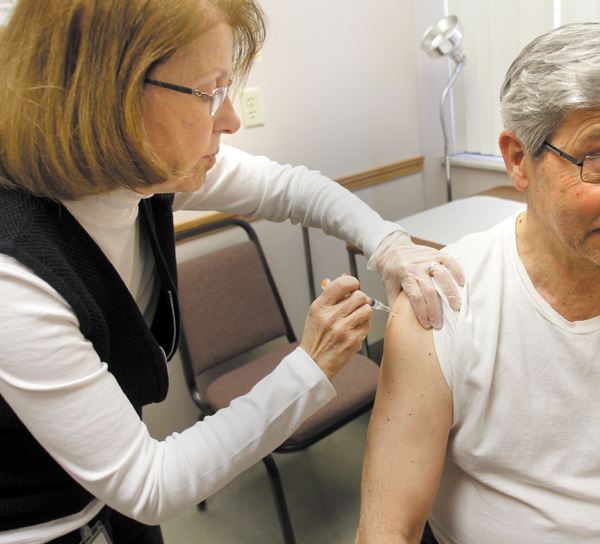
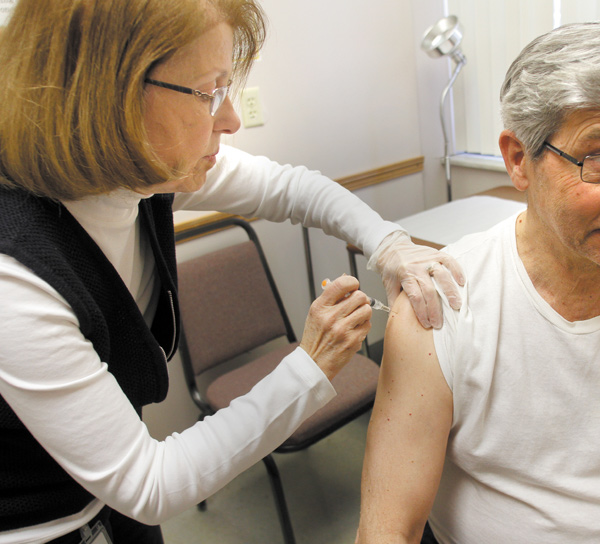
Brenda Christensen , a registered nurse, administers the flu vaccine to a client during a Mahoning County Board of Health clinic Tuesday in Austintown. Mahoning and Trumbull counties have been hard-hit by the flu virus, county and state health officials said.
By WILLIAM K. ALCORN
alcorn@vindy.com
YOUNGSTOWN
Influenza-like illness is widespread in the Mahoning Valley and throughout Ohio, and the numbers of associated hospitalizations are rapidly increasing.
Ohio also has its second confirmed influenza-associated pediatric death, a 16-year-old boy from Licking County.
“This is a reminder of the danger flu poses to children,” said Dr. Mary DiOrio, medical director of the Ohio Department of Health.
Though influenza-associated pediatric deaths must be reported to ODH, adult deaths are not reportable, so total influenza-associated death statistics are not available.
As of the week ending Dec. 27, influenza-like illness — or ILI — activity increased in Ohio pushing the proportion of outpatient visits for ILI to 9.3 percent, which is above the average percentage of visits for this time period, state health officials said.
During the period, 973 influenza-associated hospitalizations were reported in Ohio, including 195 from Northeast Ohio, which includes Columbiana, Mahoning and Trumbull counties. The week ending Dec. 2 recorded 202 total confirmed flu-associated hospitalizations.
The increase in flu-related hospitalizations in Mahoning and Trumbull counties between the weeks ending Dec. 13 and Dec. 27 was also dramatic.
Mahoning County had 20 as of Dec. 13 compared with 44 as of Dec. 27; Trumbull County had 10 as of Dec. 13 compared with 21 as of Dec. 27; and Columbiana County had five as of Dec. 13 and six as of Dec. 27.
“Tamiflu is a hot commodity,” said Dr. David Davis, medical director for the Youngstown Health Department, indicating how widespread influenza is locally.
Tamiflu is a prescription antiviral medication used to prevent and treat influenza A and B strains.
The 2014-2015 flu season, which likely will continue into the spring, may be severe, according to the U.S. Centers for Disease Control and Prevention. Influenza A (H3N2) is the predominant virus strain this year, and hospitalizations and deaths are higher when it is dominant, CDC reported.
Many people have probably heard that this year’s flu vaccine is not as effective because of mutations in some influenza viruses, Dr. DiOrio said.
Despite that shortcoming, the vaccine provides some protection against mutated viruses and maximum protection against other circulating influenza strains for which the vaccine remains well-matched, she said.
“I cannot emphasize strongly enough that it’s still very important to get vaccinated. Influenza vaccination is the safest and most-effective way to prevent the flu, except for infants younger than 6 months who aren’t eligible to receive it,” Dr.
DiOrio said.
Because of the pervasiveness of flu-like cases, area hospitals have restricted visitation.
“We are asking for the help of the public and our patient families to help stop the spread of the flu and protect all children in the community, including, of course, our patients,” Dr. John Bower, a pediatric infectious disease specialist at Akron Children’s Hospital, said recently.
Likewise, Renee Rush, registered nurse and infection preventionist at ValleyCare Health System of Ohio’s Northside Medical Center, urged people who have flu symptoms to not visit hospital patients.
“Send cards or make phone calls instead,” she said.
Rush said higher-than-usual visitors to Northside’s emergency department and admissions to the hospital are related to the Influenza A strain.
It is important for people to recognize flu symptoms early and get to a doctor, especially the elderly, Dr.
Davis said.
According to ODH data, nearly half of the hospitalizations due to influenza in Ohio are residents 65 or older.
“Where older adults are concerned, the flu is a serious illness that can lead to health complications, hospitalizations and even death,” said Bonnie K. Burman, director of the Ohio Department of Aging.
Symptoms of influenza can include fever, cough, sore throat, body aches, headache, chills and fatigue, according to ODH.