 43
43

New smartphone app launched Invasive species
 Photo
Photo
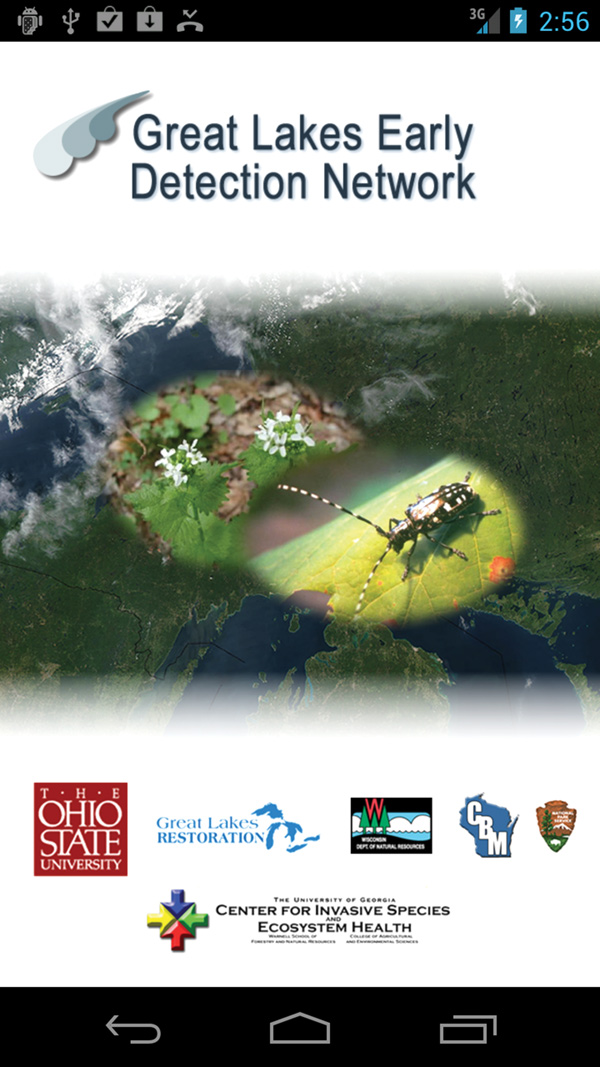
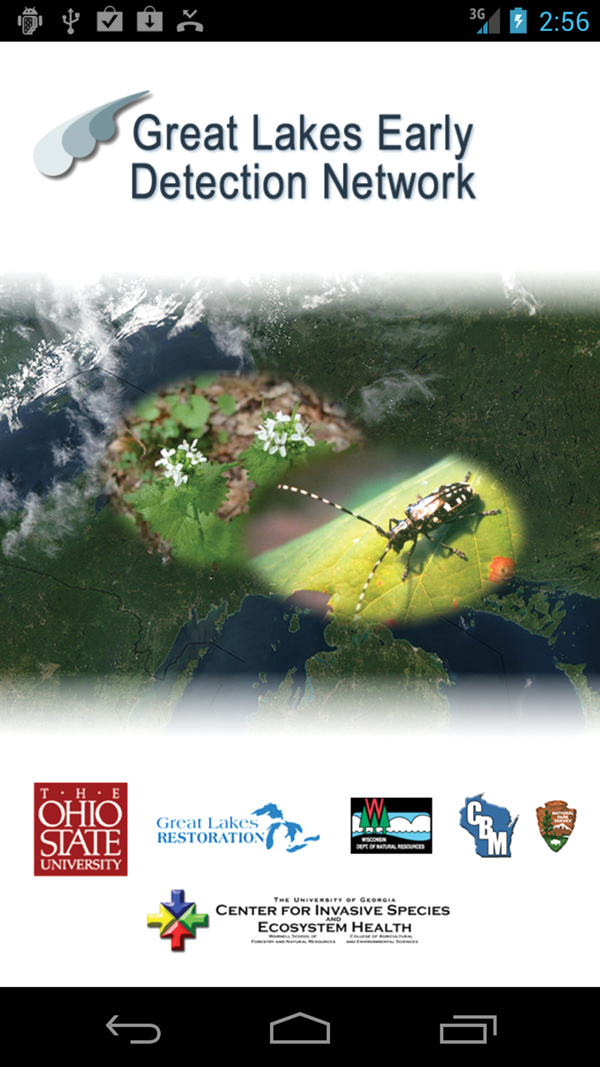
An image of the app open on a smart phone.
By Kathy Smith
OSU Ext. program director – forestry
Do you remember the recent stories on kudzu in Columbiana County? How about those emerald ash borers that are killing ash trees all over the Mahoning Valley? We have a new way for you to report these invasive pests.
Non-native invasive species issues are commanding a lot of natural-resource professionals’ attention these days, whether it concerns insects, diseases, plants, mammals or aquatic species. One thing that’s true across the board is that early detection is key to dealing more effectively with all of these.
As a group of extension professionals were discussing our new Asian long-horned beetle infestation in 2011 we kept coming back to how do we get these things reported early when they are still on a relatively small scale. We were looking for new outreach tools to empower citizens to get involved so they could be our eyes across the state. One idea was the use of smartphone technology in the form of an app.
Fast forward to September 2012 and we are part of a group that launches the Great Lakes Early Detection Network (for both Android and iPhone). This smartphone app is a tool for professionals and citizens to use to identify and report suspect invasive species.
The app contains images to use as a means of identification, an info section to help with the identification process and a section that allows you to take a photo (with gps coordinates) of the suspect and upload it to the EDDMapS system where it will be sent to an expert for verification (EDDMapS requires you to register with the system so you can be contacted for any necessary follow-up). Once verified, a point is placed on a map allowing all of us to see issues emerging early and hopefully allowing us to address them more efficiently.
This free app is the creation of the University of Georgia’s Center for Invasive Species and Ecosystem Health. They will maintain the data that the app collects and update the app as we add things to the list. To access the mobile link for the app go to http://go.osu.edu/GLEDN or access it and other mobile apps offered by the center at http://apps.bugwood.org/apps.html.
One thing to keep in mind as you look at what is listed in the app as “invasive” — this is a regional app. The intent is to make it a tool useful to those of us working on this issue across the Great Lakes Region. To that end there are species listed that may not appear to pose a problem in Ohio but are of concern in one of the other states in the region. Download the app and become part of Ohio’s early detection network.