 43
43

August is time to rejuvenate your vegetable garden Fall gardening
 Photo
Photo
By Barb Delisio
OSU Ext. master gardener volunteer
For some, the gardening season is winding down. Our zucchini and cucumbers are pretty much gone. The lettuce and spinach have long gone to seed. Other plants look long and scraggly. It’s time to move on to the next crop.
The true gardener just turns his/her mind to, “What can I grow now?”
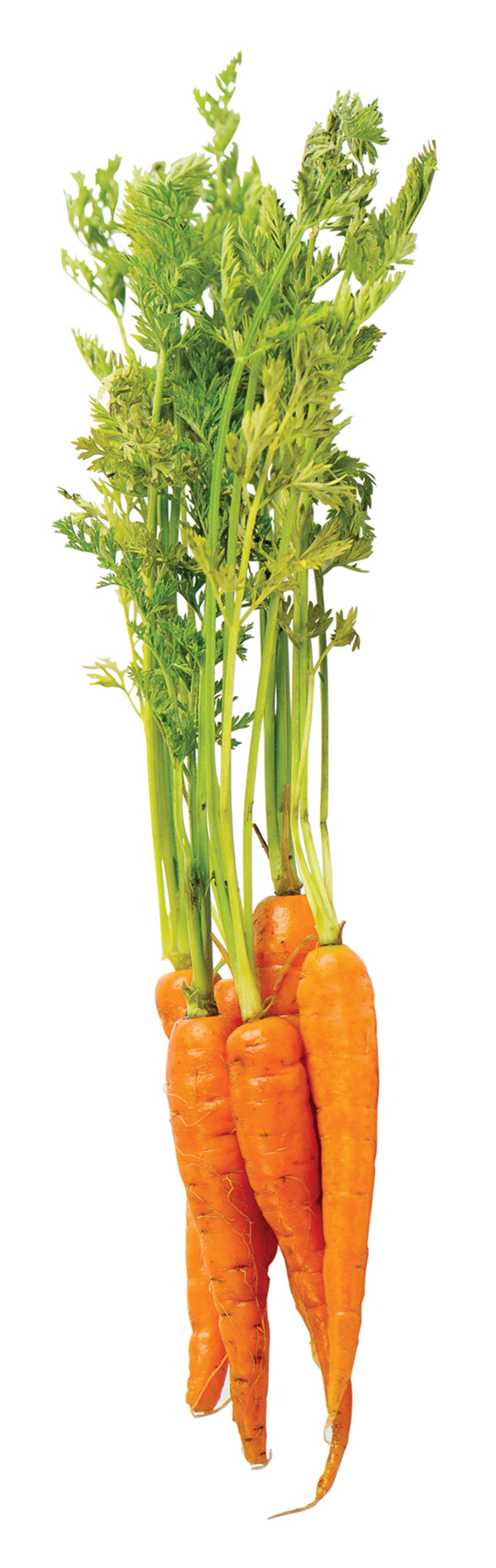
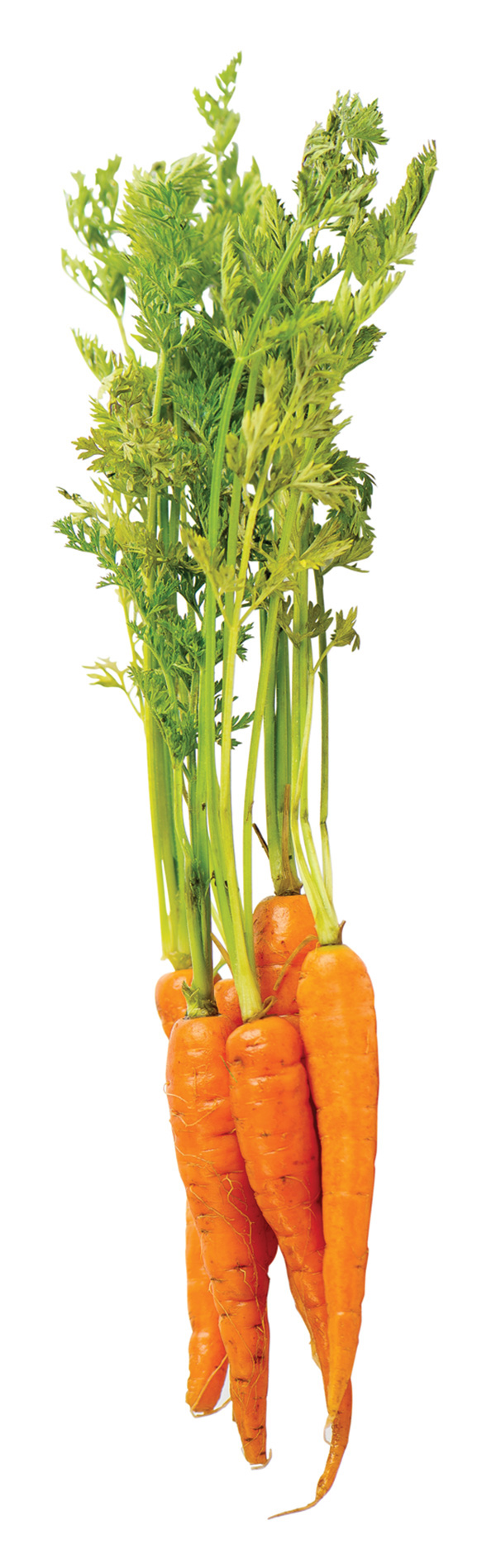
The weather is turning; August is still hot and muggy, but has shorter days and cooler nights. Thus, August is the perfect time to rejuvenate your vegetable garden. Seeds such as bush beans, beets, carrots, radishes, kohlrabi, onions, kale, peas, Swiss chard and turnips can be planted directly into the ground now. It’s better to wait until the first of September for the seeds of lettuce, spinach, and transplants of broccoli, Brussels sprouts, cabbage and cauliflower to be planted. These vegetables need cooler soil and temperatures to germinate the seeds and give the plants the growing conditions they need.
Most importantly, read the seed package to learn how many days it takes for the seeds to germinate and how long it takes the plant to reach maturity. Germination of some seeds in the fall can take up to two weeks longer because of the cooler weather and shorter days. So if your seed packet says seven days and it’s been two weeks, don’t fret. Just keep the soil moist.
If you’re starting things such as carrots, kale, peas and Swiss chard, you can start seed every two weeks until the end of September. In our area, the average first frost comes around Oct. 15, but we never know what Mother Nature has in store for us. Crops such as beets, carrots, Swiss chard, lettuce and potatoes can tolerate a light frost. Crops such as broccoli, Brussels sprouts, cabbage, collards, kale, onions, radishes, turnip greens and spinach can tolerate a hard frost.
For example, for starting turnip greens, add two weeks to Oct. 15 (first frost date), which is Oct. 30. If the seed packet says 40 days till first harvest, add 10 days (for longer fall germination). That gives us the more realistic 50 days until first harvest. Fifty days before Oct. 30 is Sept. 10. That would be the last day to plant your turnip greens and get a harvest before the plants succumbs to the hard, cold weather of November. Of course, you can plant before that and make consecutive plantings for a longer harvest.
As you plant these fall crops in August, be prepared to cover them with straw and mulch once that first heavy frost arrives. That will give them some protection from the heavy frost. Nothing tastes as great as Brussels sprouts picked in the morning and served later that day for Thanksgiving dinner. Last year, we had fairly mild weather on Christmas Eve and Christmas Day. My daughter-in-law went out to the garden and dug up a half-dozen 12-inch carrots for dinner (the ground was not frozen yet), and they were delicious. For a guide to fall vegetable gardens, visit: http://go.osu.edu/planfallveggies.