 43
43

Band's future uncertain in wake of Carmen Mico's death
By EMMALEE C. TORISK
etorisk@vindy.com
CAMPBELL
The Carmen Mico Band
 Gallery
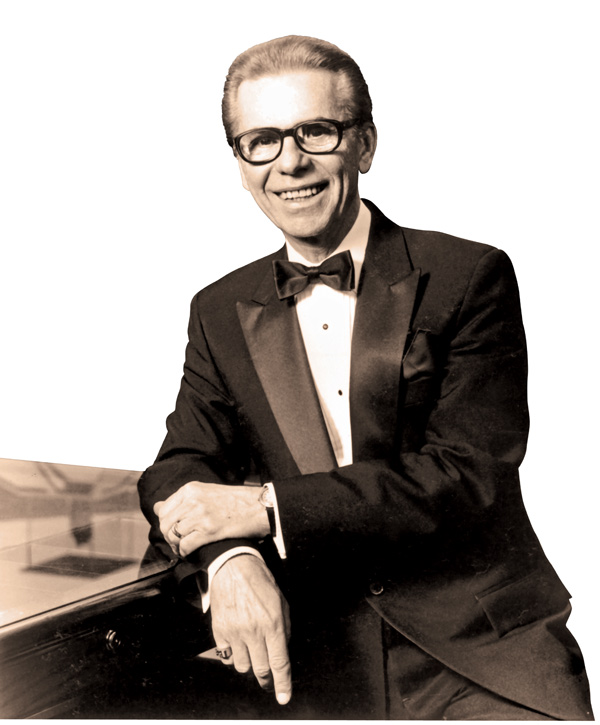
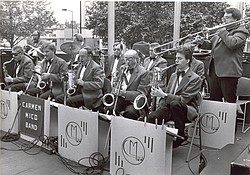
The Carmen Mico Band, formed in 1979, was for decades an area staple, playing weddings, festivals and a plethora of outdoor concerts. With the illness and then passing of its founder, a retired band director for Campbell Memorial High School, its future is uncertain, says his son.
Twenty years ago, Carmen J. Mico told The Vindicator that he’d never retire from music.
After all, the man and his music were one. He’d toured Japan with the Navy, entertaining U.S. troops during the Korean War. He’d influenced generations of students enrolled in music classes and programs at local schools — and in particular at Campbell City Schools, where his run lasted 33 years. He’d played for bandleaders whose names would still be known decades later, such as Tommy and Jimmy Dorsey.
By the time the Carmen Mico Orchestra began in 1980, his accomplishments were many — a whole lifetime’s worth, in fact. But for the man and his music to separate was unfathomable, so he just kept going.
“As long as the good Lord allows me, I’ll be out there playing,” the then 64-year-old Carmen was quoted as saying in the July 4, 1994, Vindicator article.
Carmen stayed true to his word. His son, Joseph Mico, recalls his father playing until he physically couldn’t anymore. That final show was in summer 2011, and Carmen died last month, on June 16, at age 84.
“He taught me a lot of things, about music and life,” said Joseph, who played saxophone with the Carmen Mico Orchestra beginning in 1983, but had been an unofficial member since its inception. “If there was a music hall of fame in the area, he would definitely be in it. He had one of the best bands in the area.”
Born May 16, 1930, Carmen grew up in a musical family in Campbell, and he studied reed instruments, including the saxophone and clarinet, at Youngstown State University. His specialty was true big band music that featured five saxophones, three trombones, three trumpets, a three-piece rhythm section, along with a couple of vocalists.
The Carmen Mico Orchestra was an area staple, playing custom arrangements of songs such as Glenn Miller’s “In the Mood” and “String of Pearls” — both of which made “people go bananas,” Carmen had said — everywhere from weddings, to outdoor park concerts, to the band’s own dances.
The band often traveled to Cleveland, Pittsburgh and Chicago. It even had backed up a number of stars including Connie Francis and Al Martino, and came “really close to going national” by way of a Public Broadcasting Service television program, Joseph recalled. The latter just wasn’t meant to be, though the group did make two PBS specials and record an album of big band music.
Joseph added his father was “a real stickler for quality.” The band was busy, playing up to 50 jobs annually at its peak, said John Phillips, a former area band director who had played trumpet with the band. Phillips explained that they would draw “a pretty decent crowd no matter what” and had a strong following, including a lot of younger people.
In the 1994 Vindicator article, Carmen says he never imagined the band’s working as many weddings as it did.
As far as the market for big band music, “you have to go look for it,” Carmen mentions in the article. It was an endeavor made even more difficult with the closing of Idora Park and the Elms Ballroom.
Joseph said he also is hesitant to continue the band without its founder and driving force.
“I always said, ‘As long as you’re there, I’ll be there for you,’” Joseph said. “He could be temperamental and tough, but I agreed with everything he did.”
Tom Ruggieri, Boardman High School’s director of bands, remembers a similar man: someone who was both firm and lovable. He began playing drums for Carmen in the mid-1980s as a college student.
Ruggieri said he’ll not soon forget Carmen’s stories of teaching successes and failures, the smell of cherry tobacco from the pipe he often smoked or his sense of humor. He constantly joked around, yet, “on the bandstand, he was a taskmaster when he needed to be.”
“I will miss him. I miss playing with him,” Ruggieri said. “We owe a debt of gratitude to Carmen Mico for keeping the music alive.”