 43
43

LA woman punched by patrolman speaks
 Photo
Photo
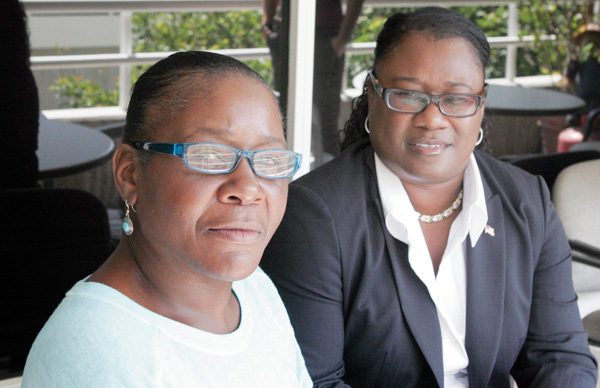
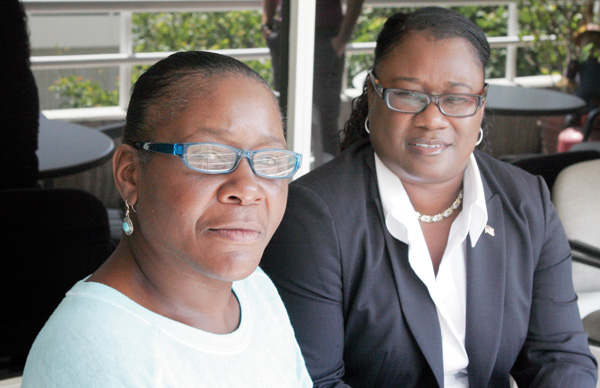
Marlene Pinnock, left, poses with her attorney, Caree Harper, during an interview Sunday in Los Angeles. Pinnock, a homeless woman, was beaten by a California Highway Patrol officer in July. Sunday was Pinnock’s first publicized interview since the incident, which was videotaped.
Associated Press
LOS ANGELES
Marlene Pinnock said she thought she was going to die as a California Highway Patrol officer straddled her, repeatedly punching her head, on the side of a Los Angeles freeway.
During an hourlong interview with The Associated Press on Sunday — her first public comments since the July 1 incident was caught on now-viral video by a passing driver — Pinnock spoke haltingly or in a whisper, occasionally putting her hands to her temples and grimacing.
Her attorney, Caree Harper, frequently interrupted her and limited her responses to a reporter’s questions.
“He grabbed me, he threw me down, he started beating me, he beat me. I felt like he was trying to kill me, beat me to death,” Pinnock said. Pinnock, 51, was released from the hospital last week after several weeks of treatment for head injuries and now slurs her speech, Harper said.
Pinnock is suing CHP Commissioner Joe Farrow and Officer Daniel L. Andrew in federal court for civil-rights violations. The suit claims excessive force, assault, battery and a violation of Pinnock’s due-process rights. The CHP hasn’t identified the officer but said he had been on the job for 11/2 years and is on desk duty pending completion of the internal investigation.
The CHP has said that Pinnock was endangering herself by walking on Interstate 10 and the officer was trying to restrain her.
Pinnock said she had been homeless for the past three to five years, occasionally staying at the Los Angeles Mission.
Pinnock said she had been on her way to a safe place where friends could watch her sleep when the altercation occurred. Harper said the area Pinnock was headed to is one of those frequented by the homeless and accessible only by walking along the freeway ramp.
She was placed on an involuntary psychiatric hold by Andrew after the incident, according to a document obtained by The Associated Press. Andrew said in his report that she was a danger to herself and wrote that “upon contacting the subject she was talking to herself.