 43
43

Cardinals gather to elect the next pope
 Photo
Photo
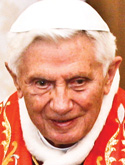
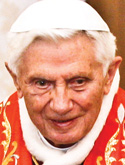
Benedict
Associated Press
VATICAN CITY
Cardinals entered the Sistine Chapel today to elect the next pope amid more upheaval and uncertainty than the Catholic Church has seen in decades: There’s no front-runner, no indication how long voting will last and no sense that a single man has what it takes to fix the church’s many problems.
On the eve of the vote, cardinals offered wildly different assessments of what they’re looking for in a pope and how close they are to a decision. It was evidence that Benedict XVI’s surprise resignation has continued to destabilize the church leadership and that his final appeal for unity may go unheeded, at least in the early rounds of voting.
Still, the buzz in the papal stakes swirled around Cardinal Angelo Scola, an Italian seen as favored by cardinals hoping to shake up the powerful Vatican bureaucracy, and Brazilian Cardinal Odilo Scherer, a favorite of Vatican-based insiders intent on preserving the status quo.
Cardinals had their final closed-door debate Monday over whether the church needs more of a manager to clean up the Vatican’s bureaucratic mess or a pastor to inspire the 1.2 billion faithful in times of crisis. The fact that not everyone got a chance to speak was a clear indication that there’s still unfinished business going into the first round of voting.
“This is a great historical moment, but we have got to do it properly, and I think that’s why there isn’t a real rush to get into things,” Cardinal Wilfrid Fox Napier from South Africa said as he left the session Monday.
None of that has prevented a storm of chatter over who’s ahead in the race.
Scola is affable and Italian, but not from the Italian-centric Vatican bureaucracy called the Curia. That gives him clout with those seeking to reform the nerve center of the Catholic Church that has been discredited by revelations of leaks and complaints from cardinals in the field that Rome is inefficient and unresponsive to their needs.
Scherer seems to be favored by Latin Americans and the Curia. The Brazilian has a solid handle on the Vatican’s finances, sitting on the governing commission of the Vatican bank, the Institute for Religious Works, as well as the Holy See’s main budget committee.
As a non-Italian, the archbishop of Sao Paolo would be expected to name an Italian as secretary of state — the Vatican No. 2 who runs day-to-day affairs at the Holy See.
If the leading names fail to reach the 77 votes required for victory in the first few rounds of balloting, any number of surprise names could come to the fore as alternatives.