 43
43

Learn how to divide plants to keep your garden lush Pampered perennials
 Photo
Photo
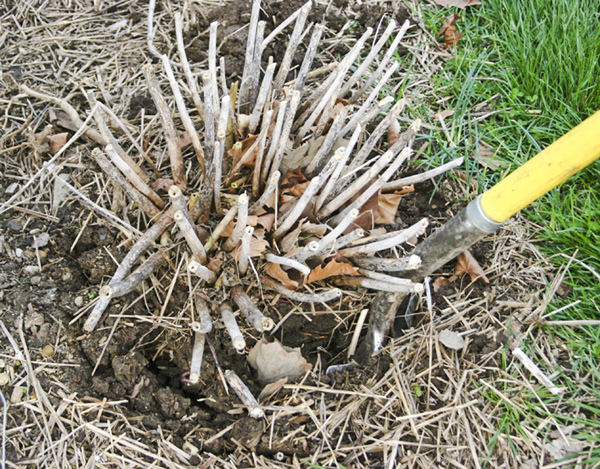
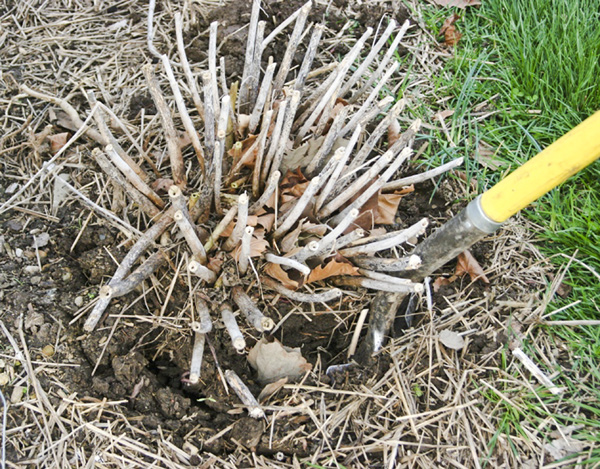
The first step in dividing a plant is digging around the outside edge of the plant and lifting it out of the ground.
By Dan Burns
OSU Ext. master gardener volunteer
Quite possibly there is more myth, folklore and hearsay about dividing perennials than most all other gardening topics. Understanding the why, when and how of division will reward the gardener with an increased number of plants, and help keep your perennial garden healthy and rejuvenated for years to come.
In terms of environmental conditions, it is best to divide perennials when the weather is cool and wet, usually in the spring and fall. But you can and should divide many perennials in mid-August by watering them before digging, preparing the new area ahead of time, mulching properly and watering the new plants every few days after transplanting.
In general, we divide perennials when they are not blooming. Many of our perennials are done for the year and can be divided mid-August to allow them time to root into the soil before our first frost this fall.
The actual process of dividing perennials is not hard, but there are a few important steps. Cut the top growth back to about 6 inches. After the plant is lifted from the ground remove only enough soil to see and work with the roots.
There are four basic root systems: spreading root systems, clumping root systems, rhizomes and tuberous roots. Each one of these is divided slightly differently.
Plants with spreading root systems are often shallow, wide and fibrous. New shoots with partial root systems can usually be pulled apart by hand. Stubborn roots can be pried or carefully cut apart. Sometimes the center of these spreading systems is dead or weak. This center can be discarded if that is the case.
Shoots on plants with clumping root systems are often thick, fleshy and attached to the original crown. These plants are best divided by cutting the crown into pieces, each with a few buds and their attached roots. A spade or machete works best for this.
Rhizomes are actually under-ground stems that spread outward from the original plant. Use a sharp knife to cut the rhizome into individual fans with a few buds on each.
Leave whatever soil remains attached to the root ball and plant the divisions in a prepared bed as soon as possible.
The truth is that neglected perennials bloom less, become smaller and are more prone to pests and diseases. A little digging in the early spring and in August after many are spent for the year, will keep your perennial garden lush, healthy and leave you with enough new plants to become a Generous Gardener.
For the complete factsheet on dividing perennials, goto: http://go.osu.edu/divide