 43
43

At US hotels, Chinese are treated to comforts of home
 Photo
Photo
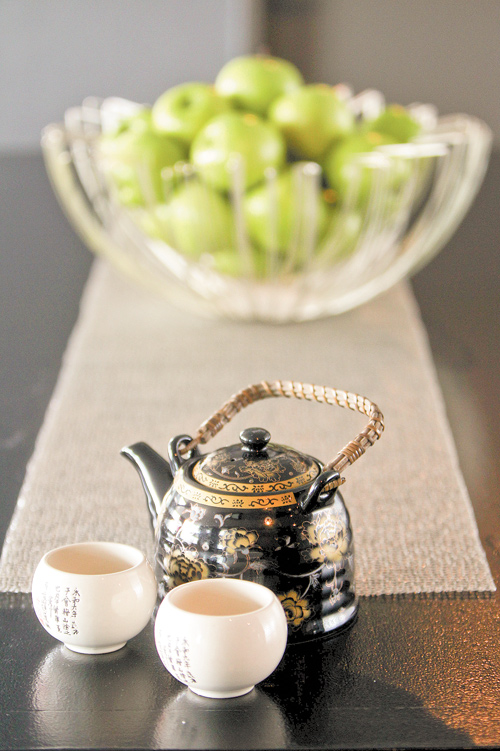
This photo shows tea that is offered to Chinese travelers upon check-in at the W Times Square in New York. Major hotel brands are catering to the needs of Chinese tourists.
Associated Press
NEW YORK
Major hotel brands are bending over backward to cater to the needs of the world’s most sought-after traveler: the Chinese tourist.
Now arriving on American shores in unprecedented numbers thanks to a streamlined visa process and a rising Chinese middle class, Chinese tourists are being treated to the comforts of home when they check in at the front desk. That means hot tea in their rooms, congee for breakfast and Mandarin-speaking hotel employees at their disposal.
Chinese “welcome programs” at reputable chains such as Marriott and Hilton even address delicate cultural differences: No Chinese tour group should be placed on a floor containing the number 4, which sounds like the word for death in Mandarin.
“They’re very relieved, like finally somebody’s doing these things that make sense,” said Robert Armstrong, a sales manager who handles all bookings for incoming Chinese travelers at the Waldorf-Astoria in New York. “Finally somebody’s catering to them.”
More than a million Chinese visited the U.S. in 2011, contributing more than $5.7 billion to the U.S. economy. That’s up 36 percent from 2010, according to the Department of Commerce. By 2016, that figure is expected to reach 2.6 million Chinese.
In a striking departure from the traditional Chinese business traveler, a growing number of them are coming to America simply for fun — with lots of cash on hand. (The average Chinese visitor spends more than $6,000 per trip.)
And so hotels are competing openly to win the hearts of the Chinese, who generally travel in large groups and stick to a tight itinerary, often packing multiple cities into a two-week American tour. What they’re looking for is a hotel that makes them feel at ease with their surroundings, said Roy Graff, a travel consultant who educates hotels in proper Chinese culture and hospitality.
That may take the form of slippers and a tea kettle in the hotel room or a Mandarin-speaking employee at the front desk — or all of the above.
“They drink tea. Eastern style, everything cold,” explained Charlie Shao, president of Galaxy Tours, a New York City-based Chinese tour agency, who used to frequently request special amenities for his clients. “They don’t walk inside the room with bare feet.”
It’s rare that Shao has to ask hotels for anything anymore. Marriott International, for example, now offers not one but several Chinese breakfasts, depending upon which region of China the traveler hails from: There are salted duck eggs and pickled vegetables for eastern Chinese, for example, and dim sum and sliced pig’s liver for the southerners.
Major chains also are training employees to avoid cultural missteps that would offend a Chinese visitor. Superstition is a big one: Red is considered a lucky color, along with the number 8, which signifies wealth. The color white, meanwhile, is frowned upon, not to mention the cursed number 4.
Failing to respect the pecking order in a Chinese group is another common blunder by hotels that have limited knowledge of Chinese culture.
“We try to make sure nobody’s on a higher floor than their boss,” Armstrong said. “Even if the boss is in a beautiful suite on the eighth floor, if the assistant is in a standard room on the 38th floor, it doesn’t translate.”