 43
43

Lawyer for woman’s estate seeks to take ex-caregiver to trial
 Photo
Photo
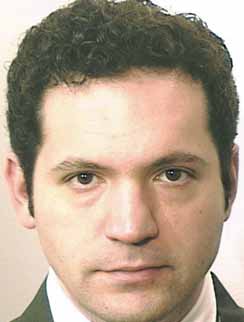
David J. Venerose, Jr.
YOUNGSTOWN
The lawyer for an elderly woman’s guardianship estate wants a judge to void a financial-settlement agreement with her former caregiver and take the estate’s complaint against the caregiver to trial.
Atty. Daniel B. Letson of Warren filed a motion to vacate the settlement with visiting Mahoning County Probate Judge Denny Clunk on Monday.
Letson said he made the filing because the former caregiver, David J. Venerose Jr., 40, of Sheridan Road, is now $5,500 in arrears on the payment agreement he made in the Dec. 3 settlement.
Venerose has paid only his first $250 monthly installment since then and missed his initial $5,000 lump-sum payment that was due Feb. 3, Letson said.
“Defendant’s failure to meet his obligations is a direct and material breach of his duty” under the settlement, Letson wrote in his motion.
“What I have is a settlement entry that has not been fulfilled. I have an obligation to attempt to have it fulfilled,” Letson added in his motion.
Venerose’s lawyer, J. Gerald Ingram, did not respond to a request for comment on the filing. Venerose was unavailable for comment.
Letson represents the Family Service Agency of Youngstown, guardian of Geraldine Burke, 89, formerly of Boardman, who has dementia and now lives in a Youngstown nursing home.
In the settlement, Venerose agreed to pay $67,560 in legal fees and restitution to Burke’s guardianship estate over the next 16 years.
Venerose’s legal troubles aren’t limited to the concealment case in probate court, however.
On Jan. 6, the Mahoning County grand jury indicted Venerose on one count of passing bad checks and three counts of perjury — all felonies.
The bad checks charge pertains to three bounced rent checks totaling $8,600 for a Boardman bar Venerose used to operate.
The perjury counts allege Venerose lied three times under oath concerning material issues in a March 9, 2009, probate court hearing concerning Burke’s guardianship.
In the probate concealment case, Letson said he wants to go to trial because “I want the court to see the evidence with regard to what was misappropriated.” A judgment against Venerose after a probate court trial would maximize the potential payout to the Burke estate, Letson added.
If Venerose loses, the probate judge could impose a 10-percent surcharge on money he finds was misappropriated, and make Venerose pay FSA’s legal fees, Letson said.
If Venerose doesn’t pay his debt, Judge Clunk also has the authority to begin collection proceedings, including wage garnishments or attachments of Venerose’s assets, including any vehicles or real estate he owns, Letson added.