 43
43

Youngstown schools’ leadership scrutinized in study
 Photo
Photo
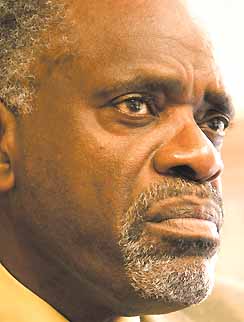
Youngstown City Schools Superintendent Connie Hathorn
By Denise Dick
YOUNGSTOWN
One city elementary-school principal cannot serve as the leader of a school that needs to move forward, while a middle school principal displayed defiance and resentment to the coaching process.
These are among the observations of “coaches” from Mosaica Turnaround Partners, one of the consultants contracted as part of the city schools’ academic-recovery plan.
Mosaica, an Atlanta company with offices in Columbus, was contracted to improve leadership within the district. The contract is capped at $405,000.
Under the contract, mentors are to report all performance measures including individual leadership-development goals for principals, principal attendance and participation in monthly meetings and general assessments of leadership knowledge skill and competency development.
Superintendent Connie Hathorn said work by the consultants started in November.
“We’re identifying areas that need improvement so they can work on those areas,” he said.
Communication, instructional leadership and using data in decision making are key areas where principals are to focus, Hathorn said.
The company is delivering monthly reports to the academic-distress commission, with the next one expected Monday.
The reports presented to commission members last month had names of individual schools and principals redacted, although the reports given to Hathorn included that information.
The school district website displays an announcement that the district is looking for elementary-, middle- and high-school principals for the 2011-12 school year.
June Drennen, a school-board member who chairs the board’s certificated-personnel committee, said “the superintendent is probably doing a search anticipating there will be some changes.”
There could be retirements or people could be moved, said Drennen, who is a retired school principal.
Mosaica’s report said, “Of 17 principals being served, 14 are making progress and three are having trouble implementing improvements.”
For the most part, the consultants gave positive reports, identifying successful practices including using data at the student, teacher and building level to identify instruction needs and monitor progress.
Lapses, including not documenting poor teacher performance and abdicating leadership responsibilities, are listed too.
At one elementary school, the coach wrote, “This observer finds that the principal strives to be professional and fair in all decisions.”
At another, the coach’s report said, “The principal has created a positive atmosphere with an idea that students along with their teachers must take responsibility for their growth.”
Other principals didn’t fare as well.
“Principal X is a nice person who is part of the community and is known as a loving and caring person when it comes to children. ...,” the report said. “However, as a leader of a school that needs to move forward, X cannot serve that role. ... I do not believe that X has the leadership skills to move this school forward. If the school moves this year from its current [academic] status, it would be due to the leadership skills of the reading and math coaches.”
One middle-school principal, the report said, took a position of defiance and conveyed resentment to the coaching process.
“His body position and vocal demeanor were negative,” the report said. “The other principals created an atmosphere of welcome, introducing me to their staff. I have shared with this principal that my first experience as a visitor to the building and interactions with the principal and his/her secretary were not pleasant. It was weeks before the principal made an attempt to introduce me to staff. If teachers felt that I was an intruder in their world, it was facilitated by the principal’s lack of professionalism and inability to demonstrate his command of the leadership position.”
One high-school principal is demeaning in communicating with staff, the report said.
“Observations of his/her interaction with the administrative team reveal a lack of distributive leadership. ... Instead, [this person] tries to use communication techniques that are authoritative, but interactions with the staff are not received positively,” the report said. “The staff feels they cannot talk with the principal about needed change,” noting the principal “talks at them.”