 43
43

Mayor vetoes bill to change policy on Internet cafes
 Photo
Photo
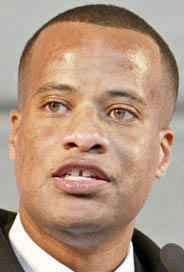
Youngstown Mayor Jay Williams
YOUNGSTOWN
It took more than five years as mayor, but Jay Williams vetoed his first piece of legislation.
The vetoed bill was a change to the city’s Internet sweepstakes business policy that eliminated a requirement for state certification in order to operate.
There currently is no state-certification program for these businesses.
But on March 17, the day after council voted on the minor change, Attorney General Mike DeWine announced his support for legislation requiring state licensing and limits on sweepstakes and skill-based games.
The state legislation likely would conflict with the new city law, Williams said.
Also, the city law could compromise “any legal defense against applicants that may intentionally or unintentionally be seeking to benefit from current loopholes which make the licensing and regulation of these entities ambiguous at best,” Williams wrote in a March 21 letter to city council vetoing the bill.
The city’s ordinance on so-called Internet cafes doesn’t include a restriction on the number of machines at the businesses. The state law would include a limit to make it “very difficult” for these businesses to remain open, DeWine said.
An amendment being written by the city’s law department would include language intended to shield Youngstown from “liability and litigation should conflicts arise from state legislation pertaining to these” businesses, Williams said.
The city would provide a temporary license for these businesses and let their owners know that they open in the city at their own risk, the mayor said.
Councilman John R. Swierz, D-7th, who sponsored the sweepstakes policy, agrees with the mayor about the need to make necessary changes.
“We need to craft an interim ordinance,” Swierz said. “Who knows how long it will take the state Legislature to resolve this?”
The city’s law requires these businesses to pay annual license fees and a charge for each machine. It also prohibits such businesses from operating within 500 feet of a church, school, library, playground, public park or private residence.