 43
43

Ohio’s top court rejects appeal for pharmacist
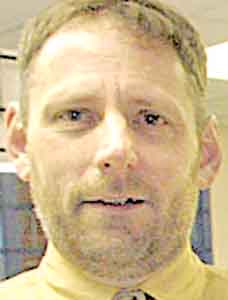
 Photo
Photo
Gary Evankovich
YOUNGSTOWN
The Ohio Supreme Court has refused to review a pharmacist’s appeal of a 7th District Court of Appeals ruling that criminal court proceedings must continue under a 24-count indictment charging him with illegal sale of dangerous drugs.
The high court’s decision Wednesday in Columbus not to review the case left intact the appellate-court ruling, meaning the criminal proceedings concerning the defendant, Gary Evankovich, will go forward before Judge Lou A. D’Apolito of Mahoning County Common Pleas Court, the trial judge assigned to the case.
Evankovich, 55, of Boardman, an owner of the North Lima and Bel-Park pharmacies, was charged in a suspected long-distance Internet prescription scheme. Authorities allege the crimes happened in 2005 and 2006.
Judge D’Apolito dismissed the indictment on the grounds that the law under which Evankovich was charged does not apply to state-licensed pharmacists.
The county prosecutor’s office successfully appealed that dismissal on the grounds that Evankovich couldn’t avail himself of that professional exemption because his conduct was outside the proper scope of pharmacy operations.
A newer indictment charges Evankovich with 108 counts of illegal processing of drug documents in the same alleged scheme. That case also is before Judge D’Apolito.
Also in reference to the same alleged scheme, the Ohio State Board of Pharmacy revoked Evankovich’s pharmacy license last November, saying he filled prescriptions, primarily for out-of-state consumers, without ensuring that a valid doctor-patient relationship and a legitimate medical purpose existed for them.
Judge James C. Evans of common pleas court dismissed Evankovich’s appeal of his license revocation, and Evankovich has appealed that decision to the 7th District Court of Appeals. On Wednesday, the appellate court granted a stay of the revocation pending the appeal.
Authorities allege the scheme involved more than 15,000 prescriptions and almost 1.5 million medication doses. The prescriptions were for many drugs, including muscle relaxants, antibiotics, anti-virals, antidepressants and anti-anxiety drugs, they said.