 43
43

Latest try at settling lawsuit in Campbell fruitless
 Photo
Photo
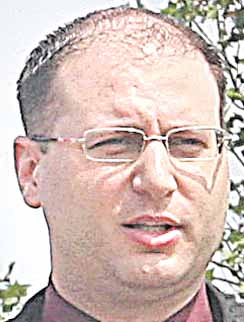
Campbell Mayor George Krinos
By Jeanne Starmack
CAMPBELL
The latest effort to settle a lawsuit between city officials hasn’t produced an agreement, one of the parties in the suit says.
City Finance Director Sherman Miles said the two sides talked during a closed session after the Dec. 1 council meeting, but so far that session has had no results.
Miles and the city council are suing Mayor George Krinos over Krinos’ suspension of Miles in April.
Krinos suspended Miles after a contentious council meeting. Miles argued with someone after the meeting was canceled because the crowd there got out of control. Krinos suspended him the next day, saying it was for conduct unbecoming a public official.
Miles and the council sued for his reinstatement, saying Krinos had no right to suspend him without council’s input. A judge agreed, and a temporary restraining order issued April 19 reinstated him.
But a hearing on making that restraining order permanent was postponed and ended up never happening.
Meanwhile, the city exceeded a $25,000 insurance cap for legal bills, Miles told the council in November. Krinos’ bills from two law firms cost $27,579, Miles said. The plaintiffs’ attorney agreed to a cap of $10,000 for its fees, he said.
John Yuhasz, the attorney for Miles and the council, has said lawyers are trying to present stipulations, or briefs to the court, in an attempt to settle the case without a hearing. That move would save money, he said. But any other legal expenses related to the case will come from taxpayers, Miles said.
Krinos has said the plaintiffs want a guarantee that he will never suspend Miles, which he will not provide.
Miles said that assertion is false. He said his side wants an assurance that he would be disciplined or removed only with council’s approval.
The city’s home-rule charter makes the finance director an employee of the mayor and the council, not just the mayor.
Miles said he could not talk about what was discussed at the Dec. 1 meeting, which was allowed by Ohio law to be in private because it concerned a legal issue.