 43
43

Feds to exclude Ohio from funds for rail service
 Photo
Photo
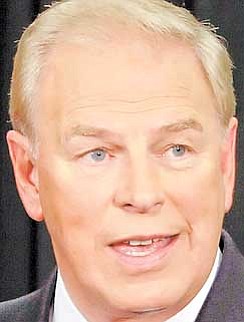
Ohio Democratic Gov. Ted Strickland
 Photo
Photo
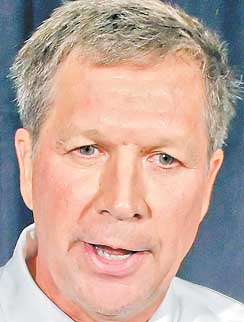
Governor John Kasich
By Marc Kovac
COLUMBUS
Federal officials plan to send about $400 million awarded to establish passenger rail service between Ohio’s largest cities to other states instead.
Gov. Ted Strickland announced the decision Thursday after a conversation with U.S. Transportation Secretary Ray LaHood.
“Today is one of the saddest days during my four years as governor,” Strickland said in a released statement. “Because I see jobs leaving Ohio, I see resources leaving Ohio, I see vital infrastructure leaving Ohio. And I see other states being enriched by resources that would otherwise have created thousands of new jobs, revitalized our cities and helped keep young people in Ohio.”
Rep. Tim Ryan, D-17th, said he’s disappointed in the decision.
“The eventual corridor between Cleveland, Youngstown and Pittsburgh would have further increased Ohio’s ability to compete in the 21st century economy — connecting great research universities, encouraging business growth and improving quality of life,” he said. “Now, the prospects of this corridor have been greatly diminished, if not completely eliminated.”
U.S. Sen. Sherrod Brown said Ohio will suffer because of the substantial loss of money.
“With so many Ohioans struggling, I don’t understand why we would give up on funds that create thousands of jobs and promote millions of dollars’ worth of economic development,” he said.
He added, “I can’t understand the logic of giving up these vital, job-creating resources to California and Florida at a time when so many Ohioans need jobs.”
The decision came in response to comments by Gov.-elect John Kasich, who has made it clear that he will not move forward with the so-called 3-C project once he takes office early next month.
The governor-elect instead had asked federal officials to allow Ohio to use $400 million designated for passenger rail for other infrastructure needs.
Strickland said most of those funds now will be shifted to California and Florida, with several other states also benefiting. Rail funding from Wisconsin also is being shifted to projects in other states.
“High-speed rail will modernize America’s valuable transportation network, while reinvigorating the manufacturing sector and putting people back to work in good-paying jobs,” LaHood said in a released statement. “I am pleased that so many other states are enthusiastic about the additional support they are receiving to help bring America’s high-speed rail network to life.”
Proponents, including Strickland, have said plans to link Cleveland, Columbus, Dayton and Cincinnati by passenger rail would have created 16,000 jobs and helped lead to eventual high-speed service between those urban areas.
But opponents, including Kasich, called the plans unsustainable, requiring continued state subsidies to operate.
Rob Nichols, spokesman for Kasich, said the governor-elect was disappointed with the decision and federal officials’ refusal to allow the state to use the funding for freight rail, highways and bridge projects.
“These are projects that have a direct benefit to commerce and our economy,” Nichols said. “And, unfortunately, the White House is more interested in driving an impractical agenda in support of a wasteful and unworkable boondoggle than they are in practicing common sense, addressing Ohio’s real transportation needs or practicing fiscal restraint.”