 43
43

Despite $1M tuition growth at YSU, university budget faces ‘challenges’
 Photo
Photo
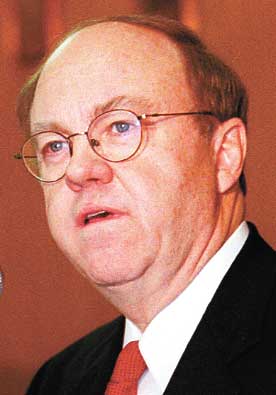
YSU President David C. Sweet
By Harold Gwin
Lower-than-expected investment income and a cut in state aid caused concern.
YOUNGSTOWN — Enrollment growth at Youngstown State University provided $1 million in additional tuition revenue, but that growth is more than offset by negative budgetary factors.
Spending reductions resulting from a directive from President David C. Sweet and other savings, however, should allow the university to finish this fiscal year with its $148 million general fund budget intact, said Thomas Maraffa, special assistant to the president.
“We feel like we’re in good shape,” Maraffa said, as he presented the YSU Board of Trustees with a recent budget update.
The “budget challenges” amount to only 2 percent of the total spending plan, he said.
The university student enrollment rose to 13,712 last fall, up 215 from the previous year, and carry-over enrollment this spring reached 12,934, up 179 from the same time last year.
The budget is based on zero enrollment growth from the previous year.
The enrollment growth brought in $1 million more than had been budgeted as tuition revenue, Maraffa said.
But a midyear funding cut by the state resulted in the loss of $426,000 in anticipated revenue, he told the trustees.
Added to that is the cost of utilities that is expected to run somewhere between $300,000 and $700,000 over budget for the year, and low returns on investment income could result in $1.6 million less than budgeted in that revenue item.
There is also some contractual obligations from employee negotiations that wrapped up after this fiscal year began that must come out of this budget, Maraffa said. That cost amounts to $684,000.
Sweet announced in early February that he had set up a review committee to look at every vacant non-faculty position on campus, putting a hold on filling those spots.
Maraffa said a total of 52 vacant positions have been identified and 33 of them will be left vacant for the rest of this fiscal year, resulting in a payroll savings of $989,000.
The university will also realize some additional vacancy savings of about $200,000, he said.
Sweet had cautioned the university community that there was danger of a budget deficit if spending reductions weren’t implemented. The university continues to look at other ways to be more efficient and reduce costs, he said.
gwin@vindy.com