 43
43

Reps: Delay is politics

 Photo
Photo
Hagan
 Photo
Photo
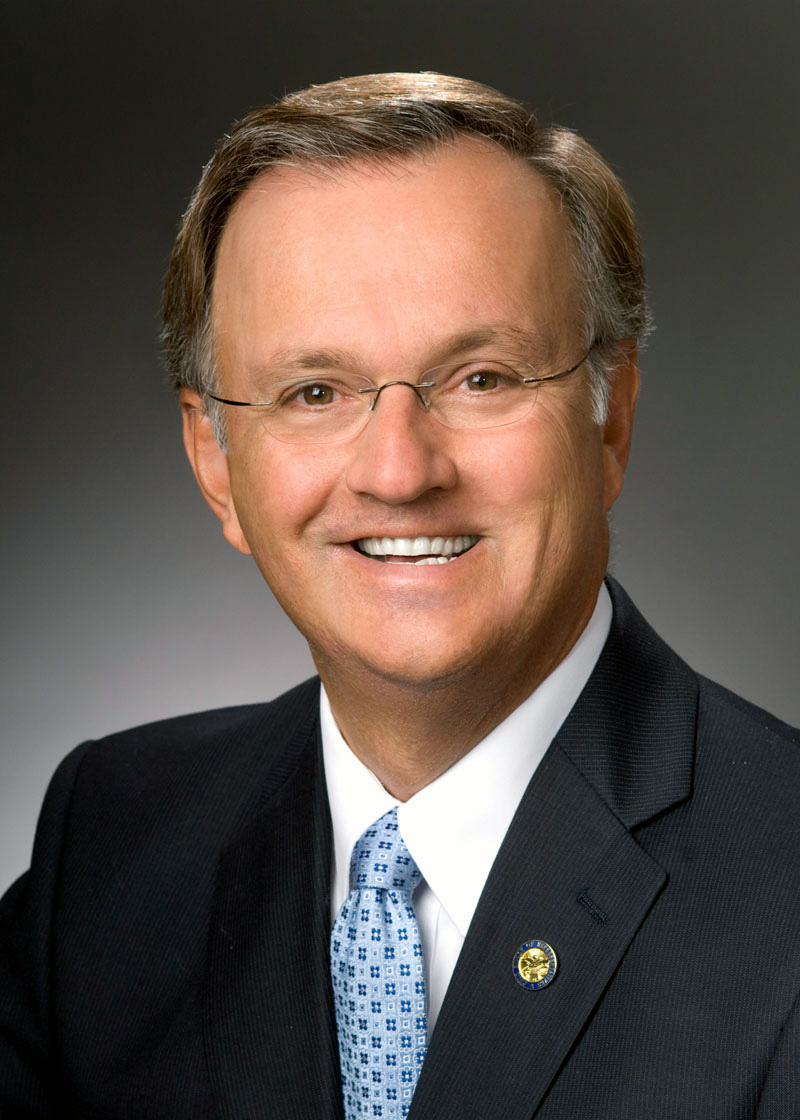
State Rep. Ronald Gerberry, D-59
 Photo
Photo
Ohio Governor Ted Strickland (D-Lisbon)
YOUNGSTOWN — State Reps. Robert F. Hagan and Ronald V. Gerberry said Ohio Senate President Bill Harris is “playing politics” by holding up the use of electronic slot machines to balance the state budget.
Gov. Ted Strickland, a Democrat, wants the machines at the state’s seven horse-racing tracks, saying they would generate about $933 million over the next two years that would be used to offset a $3.2 billion state budget shortfall.
Hagan and Gerberry, also Democrats, support the plan — even though they acknowledged Thursday that they don’t know its details.
They also accused Harris, a Republican from Ashland, of purposely refusing to consider the slot machines in order to politically hurt Strickland, who’s up for re-election next year.
Harris wants details on the proposal. He created a committee of five senators that began hearings Thursday on the proposal.
That’s fine, Hagan and Gerberry said, but they question why he waited this long to seek those details and why he didn’t ask them when he endorsed a similar proposal two years ago.
Hagan, of Youngstown, D-60th, and Gerberry, of Austintown, D-59th, spoke Thursday at the main branch of the Public Library of Youngstown and Mahoning County.
The library would lose 30 percent of its funding under Strickland’s budget plan that cuts state spending by $2.3 billion. Also, mental-health and food-bank programs would see significant state cuts in Strickland’s proposal.
The Democratic-controlled Ohio House approved a budget with those cuts with Hagan and Gerberry voting with the majority.
The two legislators said cuts to those programs and others could be deeper if the electronic slot machine proposal isn’t implemented.
When asked, Hagan and Gerberry couldn’t explain how the revenue from the slot machines would be distributed.
Hagan called the $933 million estimate from Strickland a “guesstimate.” He added that “taxpayers have the right to know the split.”
The Ohio Lottery Commission would own the slot machines and oversee them, Hagan and Gerberry said.
The Dispatch newspaper in Columbus reported Thursday that the $933 million over the next two years was based on previous analyses from the Ohio Department of Taxation and the Ohio Racing Commission. The projections assume the state would receive 49 percent of the slot revenue as well as licensing fees from the track owners.