 43
43

Strickland’s budget carries plan to ban spanking in school
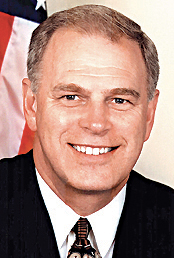
 Photo
Photo
Ohio Governor Ted Strickland (D-Lisbon)
Associated Press
Gov. Ted Strickland’s budget bill will contain a statewide ban on corporal punishment in schools, a change that would take the decision on whether to allow spanking and other forms of physical discipline out of the hands of local school boards.
Strickland’s education policy adviser, John Stanford, said during a Thursday press briefing that the administration views the change as key to creating ideal learning environments for Ohio children.
The proposal will be part of sweeping education reforms the governor announced during his recent State of the State speech, according to Amanda Wurst, a spokeswoman for the governor.
“The governor does not believe that corporal punishment has a place in a 21st-century classroom,” Wurst said.
In the 2006-07 school year, 672 students received corporal punishment in Ohio, according to Human Rights Watch.
An official with the Columbus-based Center for Effective Discipline, said her group and others have worked hard to get such a ban in Ohio and she is hopeful that the latest proposal will succeed.
“It’s banned by 29 states, and it’s time for Ohio to join them,” said Nadine Block, executive director of the national nonprofit group that provides information to the public on effects of corporal punishment and alternatives. “The practice has been going down every year, and it’s really lost its public acceptance.”
Some of the states that ban paddling include Michigan, Minnesota, Pennsylvania and West Virginia.
A limited ban enacted in Ohio in 1994 prohibits spanking and other forms of physical discipline unless a school board follows several procedures before voting to allow it. Parents in those districts may refuse to have their children paddled.
“That law left a loophole for districts to keep paddling,” said Block.
Since the 1994 legislation, bills have been introduced periodically to expand the ban but have never resulted in further action.
While some national education groups haven’t taken a position on paddling, the national PTA believes paddling should be banned everywhere. The group’s president, Jan Harp Domene, has said that paddling perpetuates a cycle of child abuse.
Research shows that corporal punishment is used more with minority children and in certain states.
Black students and American Indians are more than twice as likely to be paddled that their white counterparts, according to a study of Education Department data released in August by Human Rights Watch and the American Civil liberties Union. Texas and Mississippi accounted for the highest number of students receiving physical punishment in 2006-07, with more than 49,000 in Texas and more than 38,000 in Mississippi, according to Human Rights watch.
Ohio legislative leaders haven’t yet weighed in on the governor’s proposal.
“The Senate caucus hasn’t had a chance to discuss the bill yet,” said Maggie Ostrowski, spokeswoman for Senate President Bill Harris, a Republican.
A message seeking comment from House Speaker Armond Budish, a Democrat, was left at his office.