 43
43

Education reform program stops at YSU
 Photo
Photo
By Harold Gwin
The plan is to present an education reform package to the Legislature this fall.
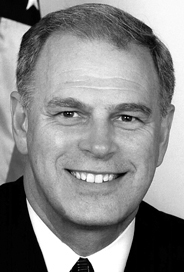
YOUNGSTOWN – Gov. Ted Strickland is beginning to hear some recurring themes as he takes his Conversation on Education program around the state.
It’s beginning to look like educators, business leaders and others may be able to build a consensus about how Ohio should reform education, he said as he wrapped up his 11th of 12 scheduled “conversations” Wednesday at Youngstown State University.
Strickland is having the meetings across the state to hear ideas about education reform, and this session included invited guests from Mahoning, Trumbull and Ashtabula counties.
One of those recurring themes is teachers feel embattled by the state’s current system of testing assessments, that they can no longer teach in a creative manner and must “teach to the test,” the governor said.
It came up again Wednesday, raised by several in the audience, including Dr. Randy L. Hoover, a YSU professor of teacher education who recently released his own study critical of Ohio’s use of standardized achievement testing.
He drew applause from many in the crowd of several hundred when he warned the current system of assessment and testing will kill efforts to improve education.
It was repeated by Colleen Ruggieri, a Canfield High School teacher who said she sees young people leaving the teaching field because they feel they don’t have a voice in what is happening in education.
It pits one school district against another, resulting in people’s comparing how their school performs on standardized tests versus another school, said Harold Wilson, an Austintown teacher.
“We don’t want to lessen accountability,” Strickland said, but if the current process is taking the joy out of education for both teachers and pupils, “That is a problem.”
What if Ohio replaces the Ohio Graduation Test with the Program for International Student Assessment test, an international exam that offers more open-ended questions and may be a better assessment of a child’s performance on the world stage? he asked.
It’s a suggestion he’s heard several times, the governor said.
Ohio needs an education system that offers flexibility to allow a child to move at their own pace.
If a child can advance at a more rapid pace, he or she should be able to do it. Conversely, if a child needs more time with subject matter, he or she should be able to get it, Strickland said.
The next phase of his reform process is to develop a consensus he can take back to the public for comment and then present to the Legislature this fall, the governor said.
“I want your ideas,” he told the audience, explaining he’s looking for the best thing the state can create for its children.
Some of the suggestions offered during the session were broad, but some were very specific.
Elayne Lowe, who identified herself as an art teacher, said the arts are one of the first things to be cut in school budgets, and she urged the governor to make the arts a cornerstone of his reform effort.
One woman who identified herself as a school nurse in the Canfield schools proposed the state mandate a ratio of students to nurses to ensure children get the proper medical attention required at school. Now, one nurse may be responsible for several thousand children, she said.
Edna Pincham, a former Youngstown school board member whose family runs a nonprofit educational program to teach children how to pass the Ohio Graduation Test and the Ohio Achievement Test, urged any reform to include the teaching of critical thinking. But children also have to know they will be safe and have food to eat, she said.
Pincham urged parents to turn off the television and take their children away from the computers and allow them to learn to think.
The Rev. Gary Johnston of Youngstown Christian School asked that any reform plan for public education not leave out the charter, nonpublic schools which represent 213,000 children in Ohio. There may be best-practice ideas and help from those sources, he said.
“We’re all in this together,” said Perry White, founder and executive director of Citizens’ Academy, which he described as a successful charter school in Cleveland. The governor’s plan should include the sharing of best practices from all sectors, he added.
Kathryn Hellweg, Warren superintendent of schools, said there is a lot of current research in education the state has sometimes failed to use when making changes. Don’t lose sight of what we already know, she advised, adding any reform should include higher education, which has a vital role in providing the teachers who work in the schools.
gwin@vindy.com