 43
43

Jury weighs capital murder case
 Photo
Photo
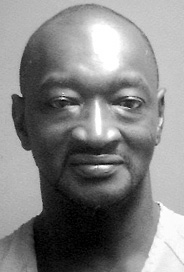
Bennie Adams
The jurors’ hotel rooms had no TV, radio or Internet access.
YOUNGSTOWN — Twelve jurors and four alternates were bused to a local hotel, where they were sequestered for an overnight break in their deliberations in the capital murder trial of Bennie Adams.
Jurors, who wheeled their suitcases into the jury room Tuesday morning, heard closing arguments from prosecuting and defense lawyers before receiving instructions from Judge Timothy E. Franken of Mahoning County Common Pleas Court.
They began their deliberations at 1:15 p.m. Tuesday and recessed for the night at 7:45 p.m. Deliberations will resume at 9 a.m. today. The jurors heard opening statements last Wednesday.
While in the hotel, the jurors were housed in a separate wing of the building guarded by county deputy sheriffs. Their rooms had no TV, radio or Internet access.
Adams is charged with the aggravated murder of Gina Tenney almost 23 years ago. A death-penalty specification is attached to the aggravated-murder charge.
Adams was accused of the Dec. 29, 1985, strangulation of Tenney, a 19-year-old Youngstown State University student from Ashtabula, who was his upstairs neighbor in an Ohio Avenue duplex.
Tenney’s frozen body was found floating in the Mahoning River near West Avenue on Dec. 30, 1985.
Adams, 51, was indicted in the cold case last fall after a DNA match was found in evidence police had preserved for 22 years.
While the 12 jurors deliberated, the four alternates remained in a separate room, where they could read materials unrelated to the Adams case, but they were instructed not to discuss the case among themselves.
In non-death-penalty cases, alternates are dismissed at the start of deliberations.
Judge Franken had dismissed felony charges of aggravated robbery, aggravated burglary, kidnapping and rape due to expiration of the six-year statute of limitations for those charges, but those allegations remain as elements in support of the death-penalty specification.
There is no statute of limitations for murder charges under Ohio law.
If the jurors find Adams guilty of the death-penalty specification, the jurors and alternates must return for a separate penalty determination phase of the trial.
Before deliberations began, Judge Franken gave the jurors the following options for verdicts:
UAggravated murder with a separate death-penalty specification.
UComplicity to aggravated murder with a separate death-penalty specification.
UMurder with no death-penalty specification.
UComplicity to murder with no death-penalty specification.
In closing arguments Tuesday, the prosecution cited numerous items of circumstantial evidence it said showed Adams killed Tenney, but the defense said there were numerous gaps and inconsistencies in the prosecution’s case.
“Every single piece of evidence points to Bennie Adams,” Dawn Cantalamessa, assistant Mahoning County prosecutor, told the jury in her closing argument Tuesday morning.
Cantalamessa cited Tenney’s ATM card, which police said they found in Adams’ jacket; the testimony of witnesses who said they saw Adams in Tenney’s car using an ATM the night of Tenney’s death; Tenney’s keys and potholder found in wastebaskets in the apartment Adams occupied; her TV, which was in the apartment Adams occupied and bore Adams’ fingerprints; and Adams’ DNA, which was found on Tenney’s body.
“No one else on this earth has the same DNA,” Cantalamessa said.
But Lou DeFabio, the lead defense lawyer, said the prosecution was unable to ascertain the time or location of Tenney’s death or the order in which the alleged crimes were committed, and he cited inconsistencies between witnesses’ statements made to police in the initial investigation almost 23 years ago and their testimony in this trial.
DeFabio said the prosecution failed to meet its burden of proof beyond a reasonable doubt.
milliken@vindy.com