 43
43

Sen. Voinovich seeks study on the rising cost of food
 Photo
Photo
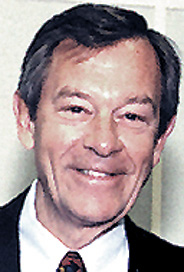
Sen. George V. Voinovich, R-Ohio
Perhaps there isn’t a simple explanation for the 4 percent increase in 2007 for the U.S. Consumer Price Index for all food, the projected 4 to 5 percent hike this year, or for the 75 percent increase in food prices worldwide since 2000.
But there needs to be a study that provides context to the current food crisis both in the United States and countries around the world.
U.S. Sen. George V. Voinovich, R-Ohio, believes the Government Accountability Office is the appropriate federal government entity to conduct such a study.
In a letter to the acting comptroller general, Gene Dodaro, Ohio’s senior senator said that American consumers “are finding themselves having to navigate a sea of price inflation” as they shop for groceries at their local markets.
“This is leading many to make some difficult decisions as to what they can afford for themselves and their families, especially those with fixed incomes or receiving government subsidies such as food stamps,” Voinovich wrote.
Congressional hearings
The food crisis has prompted various congressional committees to conduct hearings, and the head of the World Food Program of the United Nations to declare the food crisis the “silent tsunami” that threatens over 100 million people, mostly in underdeveloped nations.
In his letter to the GAO, Voinovich noted that many factors are being blamed for the surge in food prices, including high energy and fertilizer prices, increased labor costs, poor harvests around the globe, the weak U.S. dollar, greater global demand, speculators moving into the commodity market and an increased demand for biofuels.
One of the issues the senator wants the agency to explore is the extent to which federal ethanol incentives and the diversion of food to fuel are contributing to the crisis.
It’s an important issue given that President Bush is strongly advocating the increased use of ethanol so as to lessen America’s dependence on foreign oil. But Bush has also called for an end to farm subsidies that benefit farming conglomerates.
The profits reported by such mega players as Archer Daniel Midlands have triggered a rush on Capitol Hill to end the federal ethanol incentives so that corn can again be a food crop, rather than a source of fuel.
But without the kind of information Voinovich is seeking in the GAO study, nation policy decisions could well be based on knee-jerk reaction.
The global food crisis is real, and the need for urgent action on the part of the United States and other developed nations to ensure that the poorest people in the world get the help they deserve is clear.
A fast-track study by the GAO is demanded.
As Voinovich pointed out, “We need to stop debating whether there is a problem and start taking action to help deal with the problems that are so obvious in their daily lives. Before you can start to fix a problem, you have to know the cause. That is why I’m asking the GAO to conduct this study — so we can develop common sense solutions that tie directly to the root cause.”