 43
43

Brown frustrated by war in Iraq
 Photo
Photo
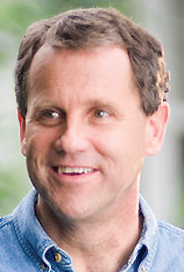
U.S. Senator Sherrod Brown (D-Avon)
The chances of getting U.S. troops out of Iraq soon aren’t high, the senator says.
By DAVID SKOLNICK
VINDICATOR POLITICS WRITER
YOUNGSTOWN — One of Sherrod Brown’s biggest disappointments in his first year as a U.S. senator is Congress’ inability to withdraw troops from Iraq.
“It’s very discouraging that we haven’t ended the war,” Brown told The Vindicator on Thursday. “The only way to do so is to not vote to fund anything, but we can’t do that.”
Brown, a Democrat from Avon, said his party’s strategy was to “pick off Republicans” who disagree with President Bush’s Iraq war policy until there were enough to override a presidential veto. But that strategy isn’t working, Brown acknowledged.
“Some Republicans categorize themselves as wanting to end the war, but don’t vote that way,” he said.
Brown had hoped public pressure would force Bush to withdraw troops, but because of a successful surge in Iraq, that pressure is “slightly abated.”
The Bush administration and its supporters tell the public the United States can’t pull out of Iraq when there are problems because the country can’t govern itself, Brown said. When there is some stability in Iraq, the administration and its supporters say the policy is working and the United States has to stay there, he added.
“Look at the ludicrousness of the argument,” he said.
Democrats will continue to push for a withdrawal of troops from Iraq, but Brown said their chances of succeeding aren’t high.
Democrats captured the House and Senate in the 2006 election with one key reason being the party’s claims it would bring a close to the Iraq war if its members were in power.
Brown’s other major disappointment was Congress’ failure to override two Bush vetoes to expand the State Children’s Health Insurance Program. The program provides health-care coverage to children whose families earn too much to qualify for Medicaid, but not enough to afford health insurance.
Brown is hopeful there will be enough votes in Congress to get the program expansion and expects another vote on it in the summer.
As for the Democratic presidential race, Brown said he is remaining neutral — at least for now.
Brown had high praise for ex-U.S. Sen. John Edwards, who is lagging behind U.S. Sens. Barack Obama and Hillary Rodham Clinton in polls.
Brown likes Edwards’ “populist message,” his concern about free-trade policies, and his stand against big oil and pharmaceutical companies.
“I’d like to see Edwards’ message more from Obama and Clinton,” he said.
Brown said he met with Clinton last month for an hour to discuss how to win Ohio. Clinton campaigned for Brown in his successful 2006 Senate campaign.
Brown is optimistic a Democrat will be elected president because voters are focused on the “real issues of the day,” such as health care, education and job creation and “are tired of distractions,” such as gay marriages, abortions and gun rights.
While in Youngstown, Brown announced a plan to push emergency legislation through Congress this month to provide $40 million from the federal Emergency Food Assistance Program to food banks. Food banks are facing higher demands with lower supplies, he said. Funding through the federal program dropped by 81 percent for Ohio since 2003.
skolnick@vindy.com