 43
43

Governor hopes good bipartisan relations continue
 Photo
Photo
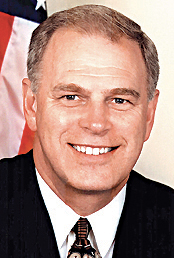
Ohio Governor Ted Strickland (D-Lisbon)
Strickland meets weekly with Republican and Democratic leaders in the Legislature.
By MARC KOVAC
VINDICATOR CORRESPONDENT
COLUMBUS — Gov. Ted Strickland hopes what likely will be an ugly presidential campaign season won’t hinder bipartisan relations at the state level.
“I hope it can continue,” the state’s first Democratic governor in 16 years said of the bipartisan spirit that existed at the Statehouse in 2007.
He added jokingly, “But, you know, in six months, ask me if we’re still having our weekly meetings.”
Q. We’re entering a big election year in 2008. Will the spirit of bipartisanship that’s existed in 2007 between yourself and Republican legislative leaders continue through the campaign season?
A. “I hope so. I think it can, and I think it should. That doesn’t mean that I and my fellow Republicans will not be engaged in the political debate and will not be trying to support our candidates. But I don’t think that needs to lead to animosity or acrimony or hostility. A part of the great tradition in this country is the ability of people to choose candidates and choose parties and advocate for the people.
“But I think that can be done in a civil, respectful way. And ultimately, then, the people can decide. But I hope we can continue to maintain the spirit that has existed this past year. We sit around this table each week. On one day, I meet with the Democratic leaders, on another day, I meet with the Republican leaders, and it has served Ohio well. I don’t take credit for that; I’m glad it’s happened. I think it’s a result of a mutual cooperation that has occurred.”
Question: Can funding be found to continue the Ohio Agricultural Easement Purchase Program? The Clean Ohio initiative runs out of state funding after 2008.
Answer: Strickland has said he is supportive of the program, but, “I am in the midst of looking at our economic circumstances and making decisions. So I guess, at this point, I would be somewhat noncommittal until I think I have more information about our budget situation.”
Question: What do you think of the payday loan situation and the proposed legislation regulating that industry?
Answer: “I am really troubled by what appears to be an effort to take advantage of some of the most vulnerable people in our state — people who find themselves in desperate economic straits — and then go for these loans and oftentimes find themselves in even more trouble economically.
“The payday industry, I think, results from a need, a real need, because there are times when people become desperate and they need somewhere to go. I assume that some of these payday lenders are honest, ethical people. But as an industry, I just find this industry troublesome.
“I’ve suggested to some of the religious leaders in this state … that because there is a real need and because at times people desperately need to have somewhere to go to get help, I would like to see the churches across the state consider maybe forming a not-for-profit organization that could provide this benefit at a reasonable charge and have it carried out with financial counseling, and that kind of support that would enable people to get back on their feet without finding themselves getting even more deeply into debt. Usury is an old sin, and I just think it can be very harmful.”
mkovac@dixcom.com