 43
43

Strickland plan includes cutting up to 2,700 jobs
 Photo
Photo
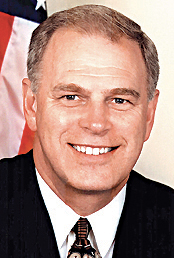
Ohio Governor Ted Strickland (D-Lisbon)
Sen. Voinovich disagreed with a plan to start state-run video Keno games.
COLUMBUS (AP) — The state will eliminate up to 2,700 jobs, close two mental hospitals and start state-run video Keno to reduce a projected budget deficit, Gov. Ted Strickland announced Thursday.
Strickland also issued orders to limit state travel, hiring, personal service contracts and equipment in the face of a predicted budget shortfall of between $733 million and $1.9 billion by June 2009, depending on how the economy fares.
He said the initial cuts will cover the lower figure, and that he will consider tapping the state’s $1 billion rainy-day fund if further cuts are necessary.
“I know that the decisions that I have made today will be disruptive, frightening and painful for many of my fellow state employees,” said Strickland, a Democrat who scored near-unanimous approval from the Legislature of his two-year budget just last year. “I want you to know I wouldn’t have made any decision today regarding budget reductions that I did not feel was absolutely necessary.”
A minimum of 1,500 jobs will be lost, Strickland said, and will come from a combination of firings, early retirements and leaving open positions unfilled. The hospitals to be shuttered are in Dayton and Cambridge in eastern Ohio.
State agencies were asked to identify cuts that made sense and would have the least impact on services to citizens. The prisons department, for example, will reduce between 434 and 815 positions, but no corrections officers, parole officers or nurses will be affected.
Strickland’s plan anticipates $73 million in new revenue from an expansion of the lottery that includes a video version of Keno to be offered in bars and other age-controlled venues around the state.
The governor said he distinguishes the new games from the video gambling machines outlawed last year because they will be “state-monitored, state-controlled and state-regulated.” His spokesman, Keith Dailey, said the Keno game is much different from video slot machines outlawed last year, because numbers are selected in the fashion of other lottery games and winners are displayed on a video monitor.
“It’s not like Tic Tac Fruit, where you sit in front of the machine all day pumping in quarters,” he said.
U.S. Sen. George Voinovich, a former Republican governor of the state, disagreed with the Strickland administration’s characterization of the games — suggesting the game goes against the wishes of Ohioans who have voted against expanded gambling proposals three times.
“This is in no way an expansion of the lottery,” he said. “From a public policy standpoint, I urge the Legislature to reject this idea and do what I did when I was governor in this situation, which was to work harder and smarter and do more with less. This would be a foot in the door for full-blown gambling and, once that happens, Katie bar the door.”
Strickland said he can make the lottery changes without legislative approval, but he needs their help to enact many of the other proposals.
House Speaker Jon Husted, a Kettering Republican, said his chamber will look closely at the governor’s plan and gather opinions from Ohioans before passing judgment.
Strickland said the combination of the new lottery proceeds and the cuts allow him to protect tax reforms that started in 2005, a recent property tax break delivered to senior citizens, expansion of government health insurance to more children, and a tuition freeze at state colleges and universities.
Chancellor Eric Fingerhut, a former ranking Democrat on the budget-writing Senate Finance Committee, called Strickland’s decision not to target higher education with heavy cuts “a watershed moment.”
“In previous budget reduction situations, higher education was singled out for frequent and deep across-the-board cuts,” he said in a statement.
Some budget watchers, including a few within the administration, have questioned Strickland’s commitment to a package of Republican-crafted tax law changes intended to foster economic growth that has yet to materialize.
Strickland acknowledged Thursday that the state has yet to see all the benefits promised by the reforms, but he said he is giving it time.
“I believe there is benefit in having some stability within our tax structure for a period of time, and I have resisted the advice I have received from some to make changes in that tax structure,” he said.
Health and dental care providers applauded Strickland’s decision to move forward with a 3 percent increase in Medicaid reimbursements to doctors treating the needy in July, and to stick to his plan to expand other elements of Medicaid as part of the children’s health insurance pledge.