 43
43

Strickland outlines worst-case scenario for state
 Photo
Photo
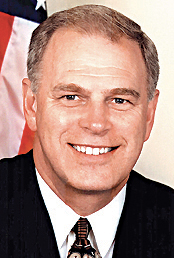
Ohio Governor Ted Strickland (D-Lisbon)
COLUMBUS (AP) — Ohio would close state parks and prisons, raise tuition at public colleges by $2,000 and leave local school districts without money to meet payroll under the governor’s worst-case budget scenario released Thursday.
In a plea for federal aid, Gov. Ted Strickland said he created the scenario to show how bad things could be without help from Washington. Governors from around the U.S. are seeking tens of billions of dollars to help with day-to-day operating costs, along with requests for Medicaid and infrastructure projects.
“One of the reasons that we wanted to do this is simply to make it crystal clear the stark choices that would have to be made if, in fact, no federal assistance was forthcoming,” Strickland said. “It would be horrendous. It would be devastating.”
Ohio faces a $7.3 billion deficit in the next two years based on current tax revenue projections, which are heading downward as all major economics indicators have plummeted.
Without Washington’s help, state agencies would need to cut 25 percent off their current funding levels if the state wants to preserve Medicaid, a tax reduction and continue making debt payments, Strickland said.
The dire picture foreshadows what is sure to be one of the most challenging budget-crafting environments lawmakers have faced in recent Ohio history.
A Republican-controlled Senate, a Democratic-controlled House and a Democratic governor will have to decide what to cut, what to spare and whether they need to do anything to increase revenue.
“We’re going to have to have a serious discussion regarding the priorities of our state, what it is we think are the most important things to do because we aren’t going to be able to do the things we have been doing,” Strickland said.
House Speaker Jon Husted, a Kettering Republican who is heading to the state Senate in January, acknowledged that the budgeting process would be tough but said the budget figures were just projections.
“It all starts when the governor introduces his budget,” Husted said. “Until we know what direction he’s going to go, this is just an interesting conversation.”
Republicans didn’t discount the fiscal challenges, but also saw the benefit to Strickland’s strategy of releasing a worst-case scenario.
“Sometimes you can put numbers out there and scare the bejeebies out of people, and then when the numbers come back and they’re not that bad, there’s a little relief,” said state Rep. Jay Hottinger, a Republican from Newark.
Policy debates are likely to ensue, especially in the area of how the state handles its inmate population, which increasingly consists of offenders in prison for a brief time after committing small crimes fueled by drug and alcohol addiction.
Strickland has said a tax increase would further harm an already damaged economic environment, but has stopped short of completely ruling out the option.
He said federal aid — which the governor thinks is deserved because the economic slowdown is a result of federal action or inaction — is the preferred way to address the problem, but suggested that tough decisions about revenue would have to be made without it.
2008, The Associated Press. All Rights Reserved.
SEE ALSO: Scenario.